Cooking methods can greatly impact the nutrient content of food. Some techniques cause significant nutrient loss, while others help retain vitamins and minerals. Steaming, microwaving, and blanching are proven methods that preserve the most nutrients in fruits and vegetables.
Using lower temperatures and shorter cooking times can reduce the breakdown of heat-sensitive nutrients like vitamin C and folate. Techniques that minimize water contact also prevent water-soluble vitamins from leaching out.
Understanding how different cooking methods affect nutrients allows anyone to make better choices in the kitchen to maintain food’s nutritional value without sacrificing flavor.
Core Principles of Nutrient Preservation
Effective nutrient preservation relies on understanding how cooking methods influence the nutritional value of food. Heat, water, and cooking time interact closely with nutrients, affecting their retention or degradation during preparation.
Nutrient Loss During Cooking
Nutrient loss occurs primarily through heat exposure, leaching into cooking water, and oxidation. Water-soluble vitamins like vitamin C and B-complex are most vulnerable as they dissolve into water or break down when heated. Minerals are more stable but may still be reduced due to water contact.
Fat-soluble vitamins (A, D, E, K) can degrade when exposed to prolonged high heat. Physical changes in food, such as cutting, can increase nutrient loss by exposing more surface area to oxygen and heat. Minimizing cooking time and water contact helps reduce nutrient loss.
Nutrient Retention Versus Nutrient Loss
Retention is measured as the percentage of nutrients remaining after cooking compared to raw food. Cooking methods that use minimal water and lower temperatures generally yield higher retention. For example, steaming often preserves more vitamins than boiling.
Some nutrient loss is unavoidable, but retention can be optimized by balancing cooking techniques. Using the cooking water for soups or sauces can reclaim leached nutrients. Proper storage and handling before cooking also influence final nutrient preservation.
Role of Heat, Water, and Cooking Time
Heat intensity and duration directly impact nutrient degradation. High heat for extended periods causes greater vitamin and enzyme breakdown, especially for heat-sensitive nutrients. Quick cooking at moderate temperatures helps maintain nutritional value.
Water acts as a medium where nutrients dissolve or degrade. Methods like boiling cause maximum loss through leaching, while steaming limits water contact. The shorter the cooking time, the fewer nutrients degrade; slow cooking methods can break down nutrients more substantially.
| Factor | Effect on Nutrients | Recommendation |
| Heat | High heat degrades heat-sensitive vitamins | Use moderate heat, short time |
| Water | Leaches water-soluble vitamins | Minimize water or use steaming |
| Cooking Time | A longer time increases nutrient loss | Cook quickly when possible |
Best Cooking Methods to Preserve Nutrients
Certain cooking methods better maintain the natural vitamins and minerals in food by reducing heat exposure and cooking time. Techniques that use minimal water and moderate temperatures tend to keep nutrient loss low while enhancing flavor and texture.
Steaming for Maximum Nutrient Retention
Steaming cooks food by surrounding it with hot steam, avoiding direct contact with boiling water, which can leach water-soluble vitamins like vitamin C and B-complex. This gentle technique preserves minerals and antioxidants effectively.
Vegetables, fish, and poultry retain more nutrients when steamed because the food is heated evenly and does not come into contact with water. Steaming usually requires little to no added fat, making it a healthy cooking method.
Using a covered steaming basket speeds cooking and minimizes nutrient degradation caused by oxygen and high heat. Steaming times should be kept short, just until food is tender, to maintain maximum vitamin content.
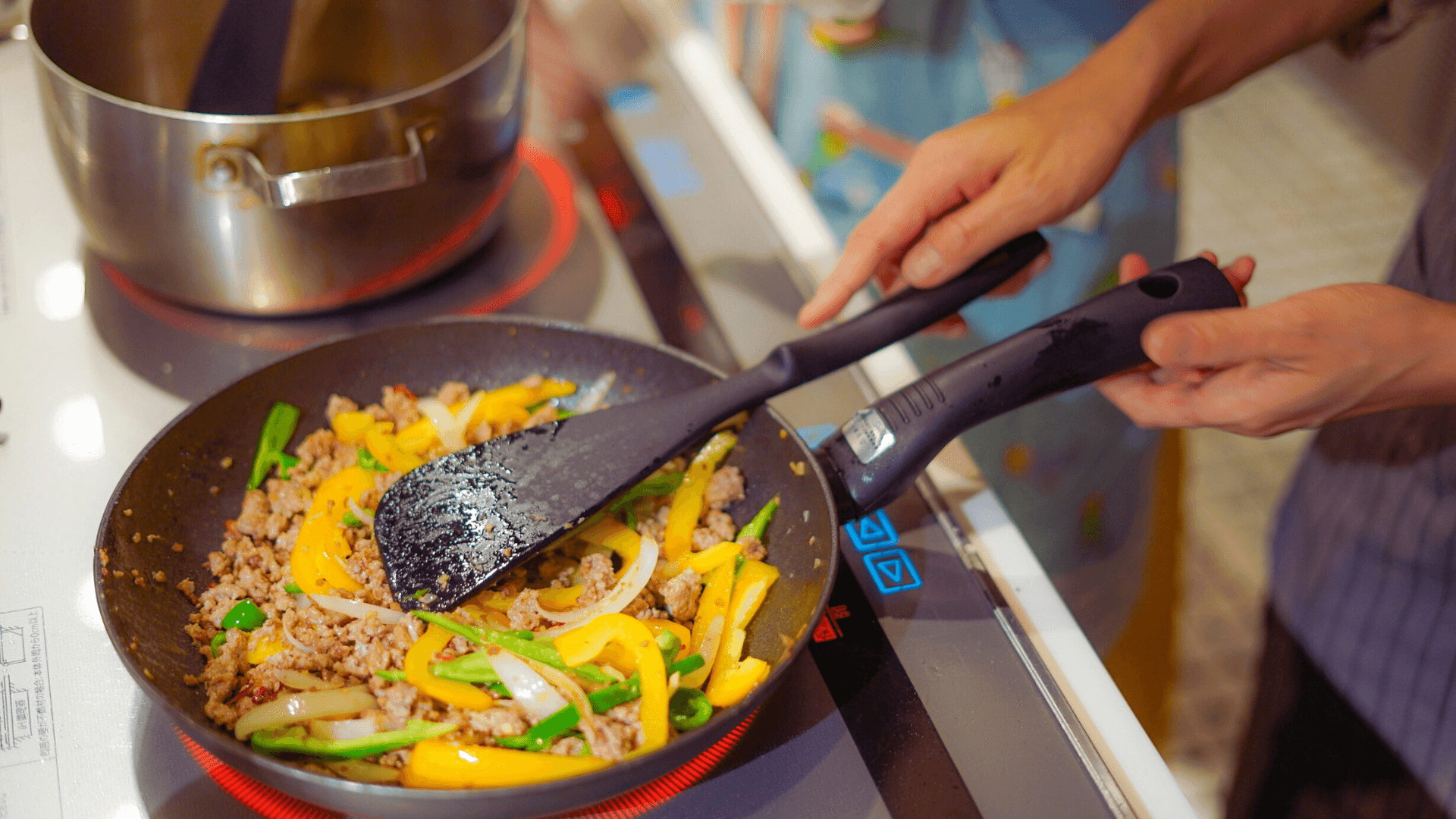
Quick-Cook Techniques: Stir-Frying and Sautéing
Stir-frying and sautéing use high heat with small amounts of healthy oils, like olive oil, which has a moderate smoke point suitable for these methods. They cook food rapidly, preserving nutrients sensitive to long heat exposure.
These techniques rely on constant motion to prevent burning, utilizing short cooking times that maintain color, texture, and nutritional value, especially for vegetables. The Maillard reaction, responsible for browning, can enhance flavor without significant nutrient loss when done correctly.
Using healthy oils with sufficient smoke points prevents harmful compounds and preserves beneficial fats. Stir-frying and sautéing combine heat and oil efficiently, maintaining fat-soluble vitamins like A and E.
Microwaving and Its Nutritional Benefits
Microwaving uses electromagnetic waves to heat food quickly, often requiring little to no water, which helps retain water-soluble vitamins. This method is highly efficient in preserving nutrients since cooking times are short.
Microwave-safe containers are essential to avoid chemical leaching and retain the food’s integrity. The technique suits vegetables and lean proteins, maintaining texture and nutrient content better than prolonged boiling.
Because microwaving heats food from the inside out, it reduces oxidation and nutrient loss compared to traditional methods. Covering dishes reduces moisture loss and retains vitamins during cooking.
Roasting and Baking as Dry Heat Solutions
Roasting and baking expose food to dry, moderate to high heat over longer periods. These methods concentrate flavors through caramelization and the Maillard reaction, but can cause some vitamin degradation if temperatures are too high.
Both techniques use dry heat without water, which helps retain minerals but may affect heat-sensitive nutrients like vitamin C. Using lower cooking temperatures and shorter times can reduce nutrient loss.
Roasting vegetables with a coating of healthy oil, such as olive oil, protects them and aids in the absorption of fat-soluble vitamins. Monitoring the smoke point of oils used prevents nutrient damage from overheating.
Choosing the Right Methods for Different Foods
Selecting cooking techniques depends heavily on the food type and the nutrients to be preserved. Some methods retain water-soluble vitamins well, while others improve the bioavailability of fat-soluble vitamins and antioxidants. Nutrient density and texture also guide the choice.
Vegetables and Water-Soluble Vitamins
Vegetables are rich in water-soluble vitamins like vitamin C, B vitamins, and folate, which are sensitive to heat, water, and air exposure. Steaming is effective because it minimizes nutrient loss by avoiding direct contact with water.
Boiling can deplete these vitamins significantly through leaching, especially if cooking water is discarded. Using minimal water and shorter cooking times limits this.
Microwaving preserves nutrients by reducing cooking time. Stir-frying quickly cooks vegetables and retains glucosinolates in cruciferous vegetables, which have health benefits.
Cooking Techniques for Nutrient-Dense Foods
Nutrient-dense foods require methods that preserve or enhance nutrient content without degrading sensitive compounds. Steaming, blanching, and quick sautéing prevent excessive vitamin and antioxidant loss.
Roasting and grilling help retain potassium and concentrate flavors, but must be carefully timed to avoid overcooking, which reduces antioxidants like lycopene.
Using cooking water from boiled foods when possible recaptures some leached nutrients. Avoiding high temperatures for prolonged periods maintains the integrity of fat-soluble vitamins (A, D, E, K), which are stable but can degrade with overexposure.
Methods for Grains and Pulses
Grains and pulses benefit from soaking and gentle simmering, which improve digestibility and bioavailability. Soaking reduces cooking time and preserves B vitamins.
Pressure cooking retains more nutrients by cooking faster and reducing exposure to heat and oxygen. Avoiding excessive rinsing prevents loss of water-soluble vitamins.
Sprouting enhances nutrient content and bioavailability by breaking down anti-nutrients. Combining grains with vitamin C-rich foods improves iron absorption.
Fruits, Poultry, and Specialized Approaches
Fruits are often consumed raw to retain vitamin C and antioxidants, but mild heating can increase levels of some compounds like lycopene in tomatoes.
Poultry should be cooked to safe internal temperatures with moist methods like poaching or roasting to preserve protein quality and prevent vitamin degradation.
Specialized techniques like sous vide allow precise temperature control, preserving delicate nutrients and moisture. Avoiding charring prevents nutrient loss and the formation of harmful compounds.
Practical Strategies and Additional Considerations
Careful handling of food before and after cooking greatly affects nutrient retention. Choosing preparation techniques and storage methods that reduce nutrient loss can maintain food quality and support a balanced diet.
Minimizing Cutting and Peeling
Cutting and peeling expose food to air, increasing nutrient loss through oxidation. Minimizing these steps preserves water-soluble vitamins like vitamin C and B vitamins.
When peeling, using a vegetable peeler instead of a knife reduces the removal of nutrient-rich outer layers. Cutting vegetables into larger pieces slows nutrient leaching during cooking.
Avoid soaking cut vegetables for long periods as water-soluble nutrients dissolve into the water. Instead, rinse briefly to remove dirt without excessive nutrient loss.
Freezing to Preserve Nutritional Quality
Freezing slows down enzyme activity, preserving vitamins and minerals in fruits and vegetables. It is especially effective for seasonal produce, extending availability without major nutrient degradation.
Blanching before freezing reduces spoilage but can cause minimal loss of vitamin C and B vitamins. Using airtight containers or vacuum bags prevents freezer burn and oxidation.
Frozen produce often retains more nutrients than fresh items stored for days. Proper thawing methods, such as refrigerating or microwaving, help maintain nutrient integrity and food safety.
Marinades and Flavor Without Compromising Nutrients
Marinades based on acidic ingredients like lemon juice or vinegar can tenderize food and add flavor without high heat. This reduces the formation of acrylamide and polycyclic aromatic hydrocarbons (PAHs), which occur during grilling or frying.
Incorporating antioxidant-rich herbs and spices such as rosemary, garlic, and turmeric in marinades protects nutrients and may reduce toxic compound formation during cooking.
Use marinades to limit cooking times and temperatures, which helps prevent nutrient breakdown. Avoid sugary marinades for grilling to reduce the risk of harmful compounds.
Meal Prep Tips for a Balanced Diet
Meal prepping with nutrient preservation in mind involves cooking in bulk using gentle methods like steaming or simmering. Portioning meals limits exposure to repeated reheating, which decreases nutrient content.
Include a variety of vegetables, lean proteins, and whole grains to ensure balanced nutrient intake. Use airtight containers and refrigerate promptly to slow nutrient degradation.
Plan meals to combine fresh, frozen, and lightly cooked foods for optimal nutrient access. Label and rotate food stock to consume produce before significant nutrient loss occurs.

Leave A Comment