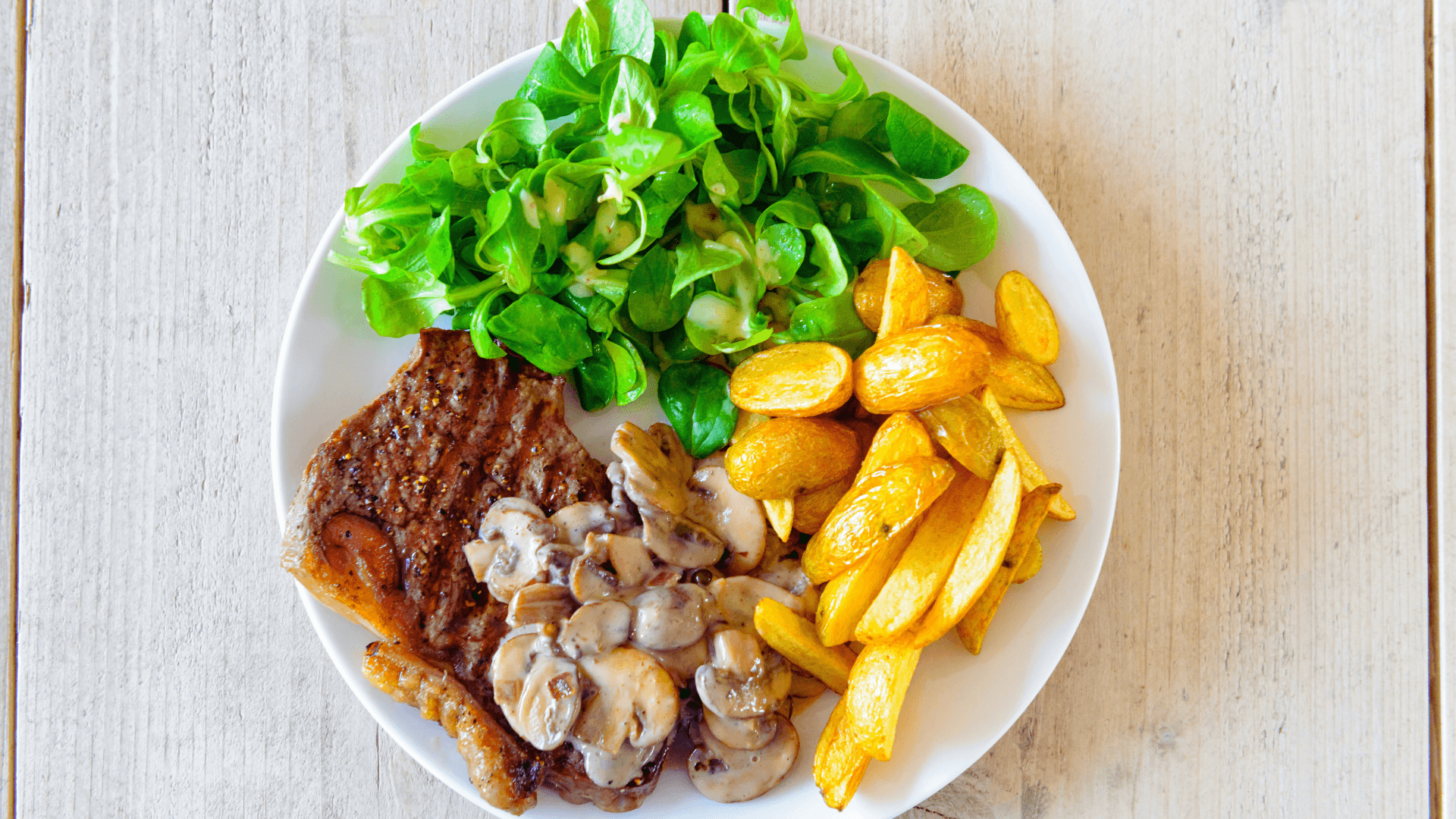
Balancing flavor and nutrition in everyday meals is a common challenge. Many people assume that healthy food means bland food, but this isn’t true. The key is to combine fresh ingredients with simple seasonings to enhance taste without sacrificing nutrients.
By focusing on whole foods like vegetables, lean proteins, and whole grains, meals can be both satisfying and nourishing. Using herbs, spices, and healthy fats adds depth of flavor without adding empty calories.
This approach helps maintain interest in meals while supporting overall health. It shows that flavor and nutrition can work together rather than compete.
Key Principles of Balancing Flavor and Nutrition
Balancing flavor and nutrition requires understanding the essential components of a healthy meal. It involves knowing how nutrients contribute to energy and well-being, and how to arrange food for optimal digestion and satisfaction.
Defining a Balanced Meal
A balanced meal includes a mix of macronutrients—carbohydrates, proteins, and fats—in appropriate proportions. These provide energy and support bodily functions efficiently. Portion sizes matter; excessive amounts can overwhelm the digestive system, while too little may leave one hungry or undernourished.
Including fiber-rich vegetables and whole grains aids digestion and prolongs fullness. Flavor can be enhanced through herbs, spices, and cooking techniques that do not add excessive fat or sugar. This allows for meals that are both enjoyable and nutritionally sound.
Macronutrients and Micronutrients Essentials
Macronutrients supply the primary energy needed daily. Carbohydrates fuel the brain and muscles, proteins repair tissue, and healthy fats support cell functions and absorption of fat-soluble vitamins. Balancing these ensures the body gets sustained energy and maintenance.
Micronutrients like vitamins and minerals are crucial for immune health, bone strength, and metabolic processes. Nutrient-dense foods—such as leafy greens for vitamins A and C, nuts for magnesium, and dairy for calcium—should be included regularly. Deficiencies can impact energy and long-term health even if macronutrients are adequate.
Visualizing the Balanced Plate
A practical way to balance nutrition and flavor is the “balanced plate” method. Half the plate should be vegetables and fruits to provide fiber, vitamins, and minerals. One quarter is lean protein, supplying essential amino acids. The final quarter is whole grains or starchy vegetables, offering energy and fiber.
Portion control using this method helps prevent overeating while maintaining variety. It also encourages colorful, flavorful meals that cover nutritional needs. This visual guide supports healthy eating habits without complicated calorie counting.
Enhancing Meals With Flavorful and Nutritious Ingredients
Balancing flavor and nutrition requires selecting ingredients that contribute both taste and health benefits. Choosing the right fruits, vegetables, grains, proteins, and fats enhances meals naturally without relying on excess salt or sugar.
Incorporating a Colorful Variety of Fruits and Vegetables
Using a range of colorful fruits and vegetables boosts both flavor and nutrition. Leafy greens like spinach and kale provide fiber and vitamin C, while orange carrots add sweetness and antioxidants. Purple berries offer natural sweetness plus a high antioxidant content that supports overall health.
A diverse plate with different textures and colors engages the palate and maximizes nutrient intake. Fresh vegetables like bell peppers or tomatoes can enhance meals with vibrant flavor. Including fruits as snacks or dessert adds natural sugars and important vitamins without empty calories.
Choosing Quality Carbohydrates and Whole Grains
Carbohydrates from whole grains are essential for sustained energy and balanced blood sugar. Brown rice, quinoa, and whole wheat bread deliver fiber and important minerals missing from refined grains. This fiber supports digestion and prolongs fullness.
Replacing white rice with brown rice or adding whole grains to soups and salads adds texture and flavor. Whole grains’ nutty tastes complement vegetables and proteins well. Selecting whole grains also helps maintain steady water balance through slow digestion.
Selecting Lean Proteins and Healthy Fats
Lean proteins like fish, eggs, and Greek yogurt support muscle maintenance and overall health without excessive saturated fat. Salmon provides omega-3 fatty acids, which are beneficial for heart health and inflammation reduction.
Healthy fats like olive oil enhance flavor while offering monounsaturated fats. Using olive oil in cooking or dressings adds richness without heaviness. Combining lean proteins with healthy fats and fiber-rich foods creates satisfying and nutritious meals.
Smart Cooking Methods to Preserve Nutrition and Maximize Taste
Choosing the right cooking methods greatly influences both the flavor and nutritional value of meals. Techniques like roasting, steaming, and sautéing can enhance natural flavors while keeping nutrient loss to a minimum. Using herbs and spices thoughtfully adds healthy flavor without extra calories or sodium.
Roasting and Grilling for Enhanced Flavor
Roasting and grilling use dry heat to caramelize the surface of foods, intensifying natural flavors. Vegetables like carrots, Brussels sprouts, and bell peppers develop a sweet, rich taste when roasted at moderate temperatures (around 375-425°F). This method preserves fiber and important micronutrients such as vitamin C and potassium.
Grilling adds a smoky dimension without needing added fats. It’s best to avoid charring, which can create harmful compounds. Roasting and grilling also reduce water content, concentrating flavors without diluting nutrients. Use olive oil lightly to prevent sticking and support nutrient absorption.
Steaming and Sautéing for Nutrient Retention
Steaming is one of the best methods for preserving water-soluble nutrients such as B vitamins and vitamin C. It cooks food quickly without submerging it in water, which reduces nutrient leaching. Steamed broccoli, green beans, and leafy greens remain crisp and nutrient-dense.
Sautéing in small amounts of healthy oils like olive or avocado oil allows rapid cooking with minimal nutrient loss. It also enhances the absorption of fat-soluble vitamins A, D, E, and K. To maximize nutrition, avoid overheating oils beyond their smoke points and cook vegetables just until tender.
Using Herbs and Spices for Healthy Flavor
Herbs like basil, cilantro, and parsley provide antioxidants and vitamins while boosting taste without sodium or sugar. Spices such as turmeric, cumin, and cinnamon add complexity and have anti-inflammatory properties. Incorporating fresh or dried herbs early in cooking releases essential oils and adds depth of flavor.
Cinnamon is particularly useful for blood sugar regulation, making it a strategic addition in meals aimed at stable energy. Using a variety of herbs and spices encourages reduced salt usage and supports digestion through natural enzymes and stimulants found in certain blends.
Meal Composition for Blood Sugar and Digestion
Balancing macronutrients in meals influences blood sugar stability and digestive health. Combining fiber-rich roasted vegetables with lean proteins and healthy fats slows glucose absorption. This balance prevents spikes and crashes in blood sugar levels.
Including fermented foods or herbs like ginger and fennel can aid digestion by promoting gut motility and reducing bloating. Planning meals with diverse textures and plant-based fibers improves satiety and supports a healthy microbiome, enhancing overall nutrient uptake.
Practical Strategies for Everyday Meals
Finding a balance between flavor and nutrition requires attention to meal structure and choices throughout the day. Managing portion sizes, planning balanced meals, and selecting healthy snacks are key elements to maintain both taste and health.
Portion Control and Mindful Eating
Controlling portion sizes is essential to avoid overeating and maintain nutritional balance. Using smaller plates or measuring portions can help keep servings in check without sacrificing enjoyment.
Mindful eating encourages attention to hunger cues and savoring each bite. Eating slowly and without distractions allows better recognition of fullness, reducing the risk of consuming excessive calories.
Choosing nutrient-dense foods within controlled portions enhances both flavor and health benefits. Combining lean proteins, whole grains, and colorful vegetables keeps meals satisfying and nutritionally rich.
Balancing Meals Throughout the Day
Balancing meals means distributing calories and nutrients evenly to sustain energy and prevent cravings. Breakfast, lunch, and dinner should include a mix of protein, healthy fats, and complex carbohydrates.
Incorporating vegetables or fruits in each meal adds fiber and vitamins without extra calories. For example, pairing grilled chicken with quinoa and steamed broccoli offers flavor and nutrition in a balanced way.
Avoiding heavy meals late at night helps digestion and prevents unnecessary calorie intake. Smaller, balanced snacks between meals maintain stable blood sugar and reduce overeating at mealtimes.
Healthy Snacking Ideas
Healthy snacks support balanced nutrition and curb hunger between meals. Options like mixed nuts, Greek yogurt, or fresh fruit provide essential nutrients and variety in taste.
Vegetable sticks with hummus offer fiber and protein, enhancing satiety while keeping calories low. Preparing snacks in advance helps avoid impulse choices that may be less nutritious.
Portion-controlled snack packs are effective for managing intake. For example, a 1-ounce serving of almonds or a small container of cottage cheese satisfies hunger without disrupting meal balance.






Leave A Comment