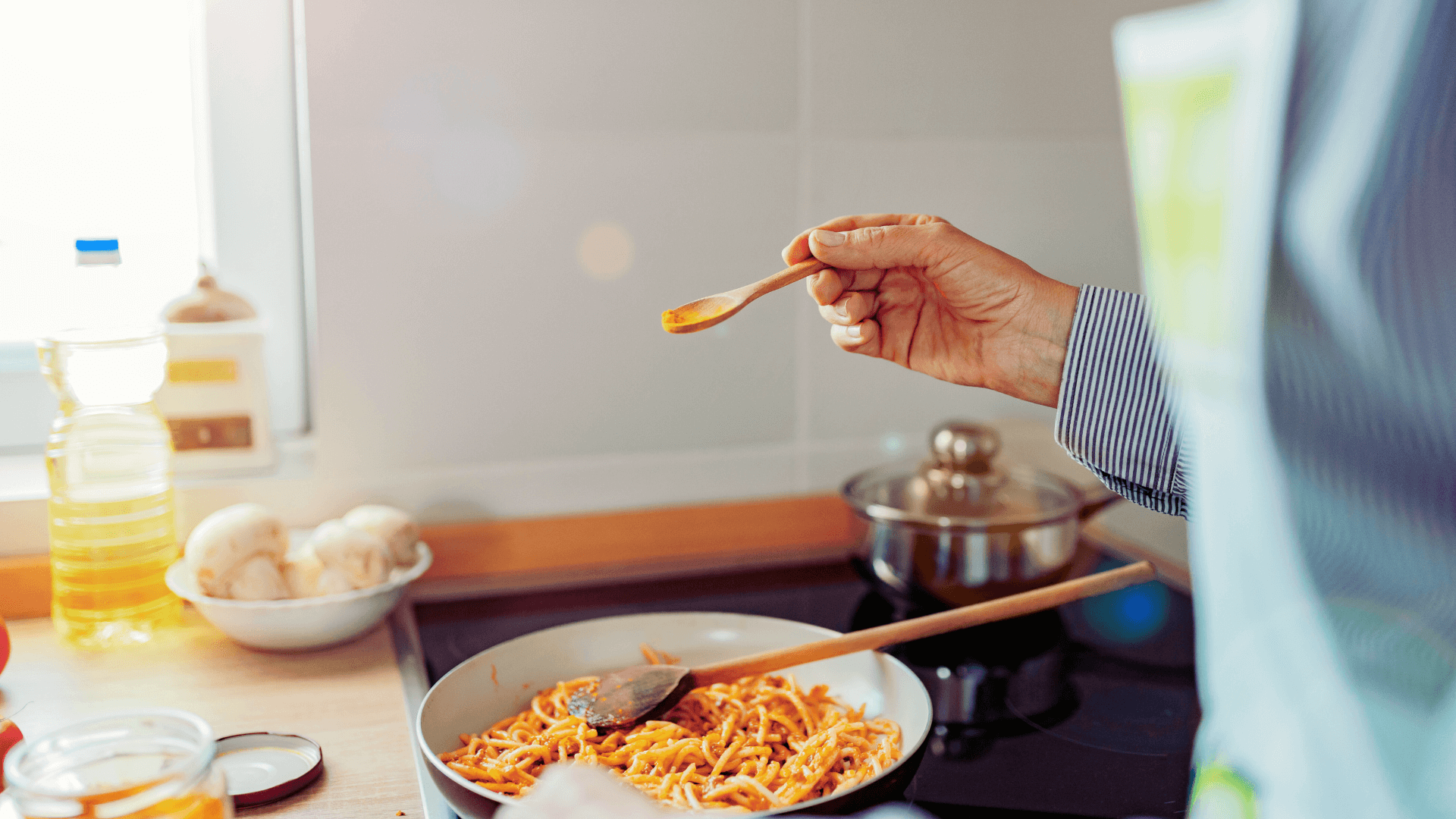
Meal prepping often gets a bad reputation for producing bland or repetitive meals. Many assume that saving time means sacrificing taste, but that doesn’t have to be the case. By using fresh ingredients, smart seasoning, and proper storage techniques, it’s possible to prepare meals in advance without losing flavor.
Understanding how to balance flavors and textures before cooking helps ensure meals stay enjoyable throughout the week. Incorporating herbs, spices, and varied cooking methods can keep dishes vibrant and satisfying. This approach allows anyone to maintain both convenience and quality in their meal prep routine.
Essential Strategies for Flavorful Meal Prep
Successful meal prep relies on intentional planning, thoughtful ingredient choices, and methods that preserve or enhance taste. Balancing nutrients while maintaining variety prevents boredom and encourages consistent, healthy eating habits.
Key Planning Techniques for Taste and Variety
Planning meals with diverse flavors is critical. Incorporate spices and herbs like cumin, paprika, or basil to elevate lean proteins such as turkey or beans. Rotating ingredients each week keeps meals interesting and avoids repetitive tastes.
Using different cooking methods, such as roasting vegetables or searing proteins, adds texture and depth. Prepping components like sauces or dressings separately ensures freshness and flexibility for mixing and matching in different meals.
Balancing Macros for Flavor and Nutrition
Combining lean proteins, healthy fats, and complex carbohydrates supports both taste and nutrition. Turkey breast pairs well with healthy fats like avocado or olive oil, which bring richness without excess calories.
Beans offer fiber and protein, helping maintain satiety. Proper macro balance also enhances flavor interaction; fats carry spices better, while proteins provide savory satisfaction. Measuring portions in advance ensures meals meet dietary goals and taste expectations.
Batch Cooking Without Blandness
Cooking in batches saves time but risks flavor loss. To avoid blandness, cooking large portions of seasoned ingredients rather than bland staples is key. For example, prepare the turkey with garlic and herbs before portioning.
Storing components separately—like cooked grains, proteins, and vegetables—maintains distinct textures and flavors. Reheating with fresh spices or finishing with a squeeze of lemon or drizzle of healthy fat revitalizes the meal’s taste.
Choosing Ingredients That Maximize Flavor
Selecting the right ingredients is essential to retaining taste and nutrition in meal prepping. Using fresh, high-quality items and combining complementary flavors can elevate simple dishes without extra effort.
Using Fresh Produce and Vibrant Vegetables
Fresh vegetables like broccoli, zucchini, and sweet potatoes add distinct textures and natural sweetness. Their vibrant flavors hold up well after cooking and storing.
Choosing produce in season ensures better taste and nutrient content. For example, sweet potatoes offer earthy sweetness that intensifies when roasted. Broccoli provides crunch and a slightly bitter contrast.
Using a variety of vegetables in different colors boosts flavor complexity. Lightly seasoning and roasting vegetables can enhance their natural sugars, avoiding bland meals.
Selecting Lean Proteins for Taste
Lean proteins like turkey provide a satisfying, mild flavor without excess fat. They hold seasoning well and remain tender when cooked properly.
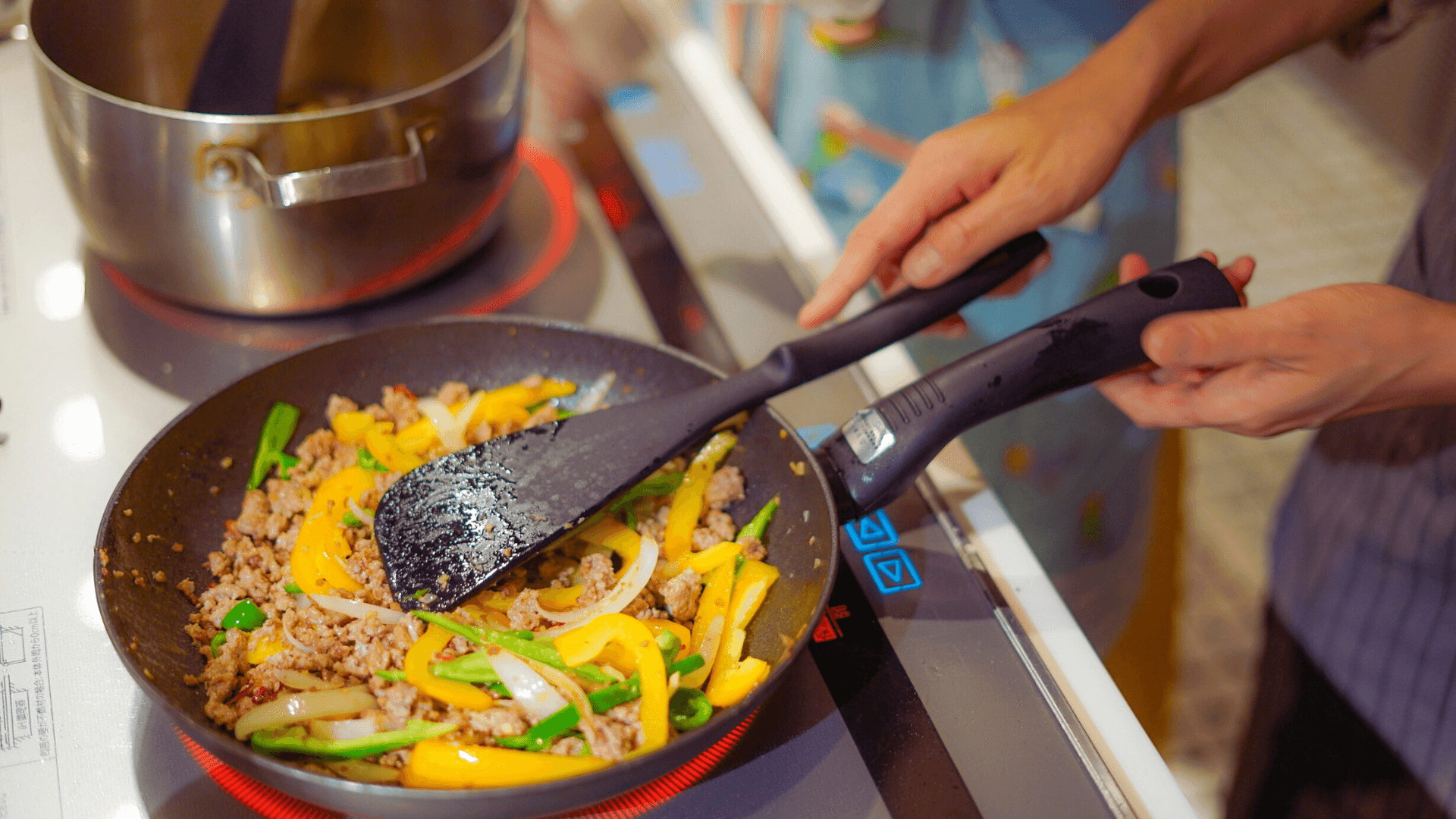
Ground turkey works well in dishes like stir-fries and casseroles, taking on herbs and spices naturally. Lean cuts reduce greasiness, making meals more pleasant after reheating.
Beans are another flavorful protein option. Their creamy texture and ability to absorb seasoning make them versatile for soups, salads, or as side dishes.
Grains and Legumes with a Flavor Boost
Whole grains like quinoa and brown rice add texture and a subtle nuttiness that complements robust flavors in proteins and vegetables.
Quinoa, in particular, cooks quickly and retains a light crispness. It absorbs broths or seasonings well. Brown rice offers a chewier bite and holds flavors better when reheated.
Incorporating legumes such as beans adds both protein and fiber while enhancing the dish with earthy, rich notes. Combining grains and legumes balances nutrition without sacrificing taste.
Techniques and Tips to Enhance Taste in Prepped Meals
Enhancing flavor in meal prep relies on careful ingredient choices and cooking approaches. Layering flavors with herbs, spices, and fats, selecting the right cooking method, and proper storage are critical to maintaining taste throughout the week.
Applying Herbs, Spices, and Healthy Fats
Using fresh herbs like dill or dried options adds brightness without extra calories. Dill pairs well with vegetables such as broccoli and zucchini, enhancing their natural flavors. Spices like cumin or smoked paprika create depth and variety.
Incorporating healthy fats—olive oil, avocado oil, or nuts—improves texture and amplifies flavor. Adding a drizzle of olive oil to sweet potatoes or sautéed vegetables locks in richness and nutrients. Nuts provide crunch and a subtle, savory touch when sprinkled on salads or roasted dishes.
Season foods before and after cooking to build layers of flavor. Avoid over-salting early to leave space for natural taste development with fats and herbs.
Cooking Methods that Lock in Flavor
Roasting vegetables like sweet potatoes and zucchini caramelizes their natural sugars, enhancing sweetness and texture. Steaming broccoli preserves its vibrant color and crispness while maintaining nutrients.
Searing proteins or vegetables in a hot pan creates a flavorful crust through the Maillard reaction. Slow cooking or braising enriches taste but requires precise seasoning to prevent blandness.
Using minimal water when cooking vegetables helps retain flavor and nutrients. When possible, cook ingredients separately and combine later to avoid mixed textures.
Storing and Reheating Without Losing Deliciousness
Store prepped foods in airtight containers to prevent moisture loss and flavor dilution. Use glass containers for durability and easy reheating.
Reheat meals gently at low heat, ideally covered, to retain moisture. Avoid microwaving uncovered, which can dry out foods like sweet potatoes and broccoli.
Add fresh elements such as chopped dill or a splash of olive oil after reheating to restore brightness and fresh texture. If reheating nuts, toast them briefly to revive crunch without burning.
Mix-and-Match Ideas and Sample Flavorful Meal Prep Combinations
Meal prep can stay exciting and varied by combining a few key ingredients and flavor enhancers. Utilizing different textures and tastes in grains, proteins, vegetables, and sauces makes meals enjoyable without extra effort.
Building Exciting Grain Bowls and Salads
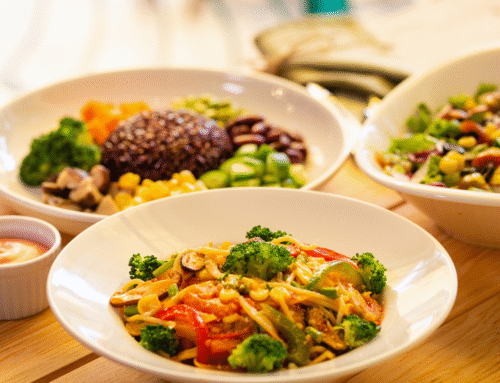
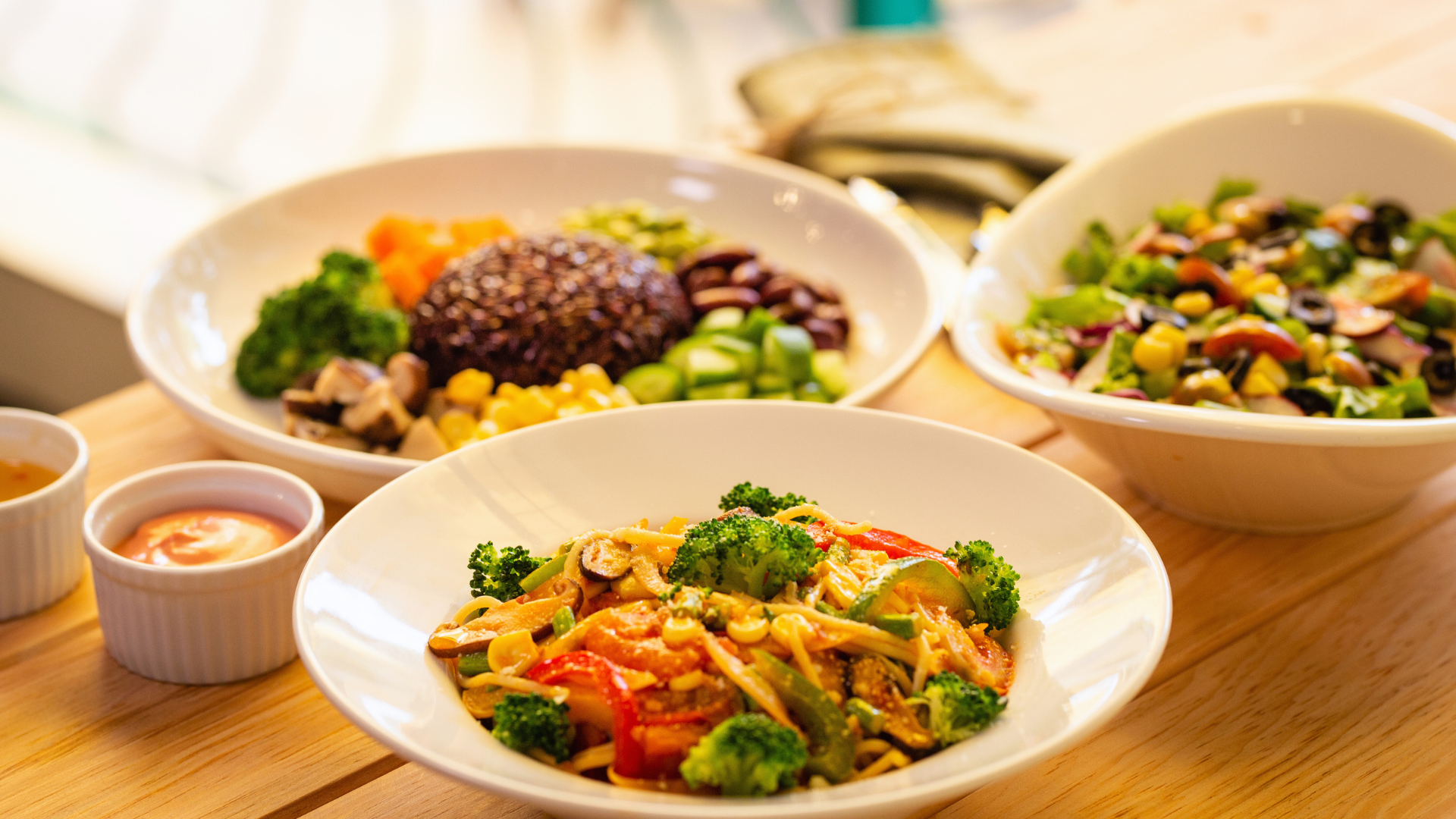
Start with nutrient-dense bases like quinoa or brown rice for fiber and sustained energy. Mix in beans such as black beans or chickpeas for plant protein and texture contrast.
Add fresh, vibrant vegetables like broccoli, shredded carrots, or spinach to introduce crunch and color. Using chopped herbs like cilantro or parsley can also elevate flavor without adding calories.
Grain bowls and salads allow flexible combos. For example:
- Quinoa + black beans + broccoli + cherry tomatoes
- Brown rice + chickpeas + spinach + red peppers
This variety keeps the palate interested while covering key nutrients.
Creative Pairings with Lean Proteins and Veggies
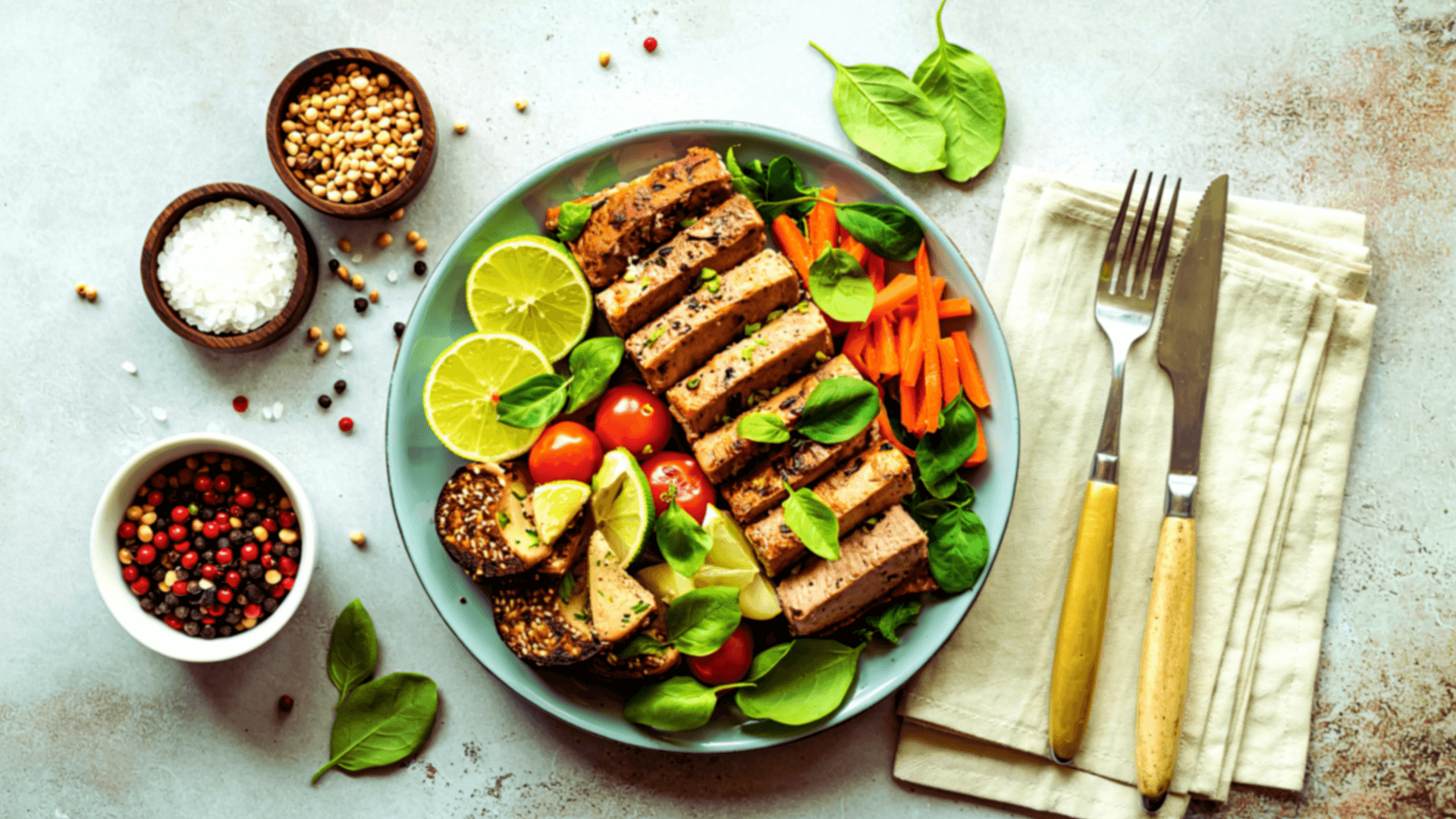
Incorporate lean proteins like turkey breast, grilled chicken, or baked tofu. These proteins add essential amino acids without excess fat. Pair them with steamed or roasted veggies like broccoli, zucchini, or asparagus for balanced meals.
Experiment with spice blends such as cumin or smoked paprika when cooking proteins. It enhances aroma and taste distinctly.
Examples include:
- Turkey strips seasoned with cumin + roasted broccoli + brown rice
- Grilled chicken with paprika + steamed green beans + quinoa
Combining lean proteins and vegetables provides completeness and fullness in every portion.
Incorporating Sauces and Dressings for Depth
Sauces and dressings create flavor depth and moisture, preventing meal prep boredom. Choose options with healthy fats like olive oil or avocado-based dressings for heart benefits.
Make quick homemade sauces such as:
- Tahini lemon dressing
- Greek yogurt with herbs and garlic
- Spicy salsa with lime juice
Store them separately and add them before eating to keep meals fresh. A well-chosen sauce can transform simple ingredients into a satisfying dish without extra calories or complexity.

Leave A Comment