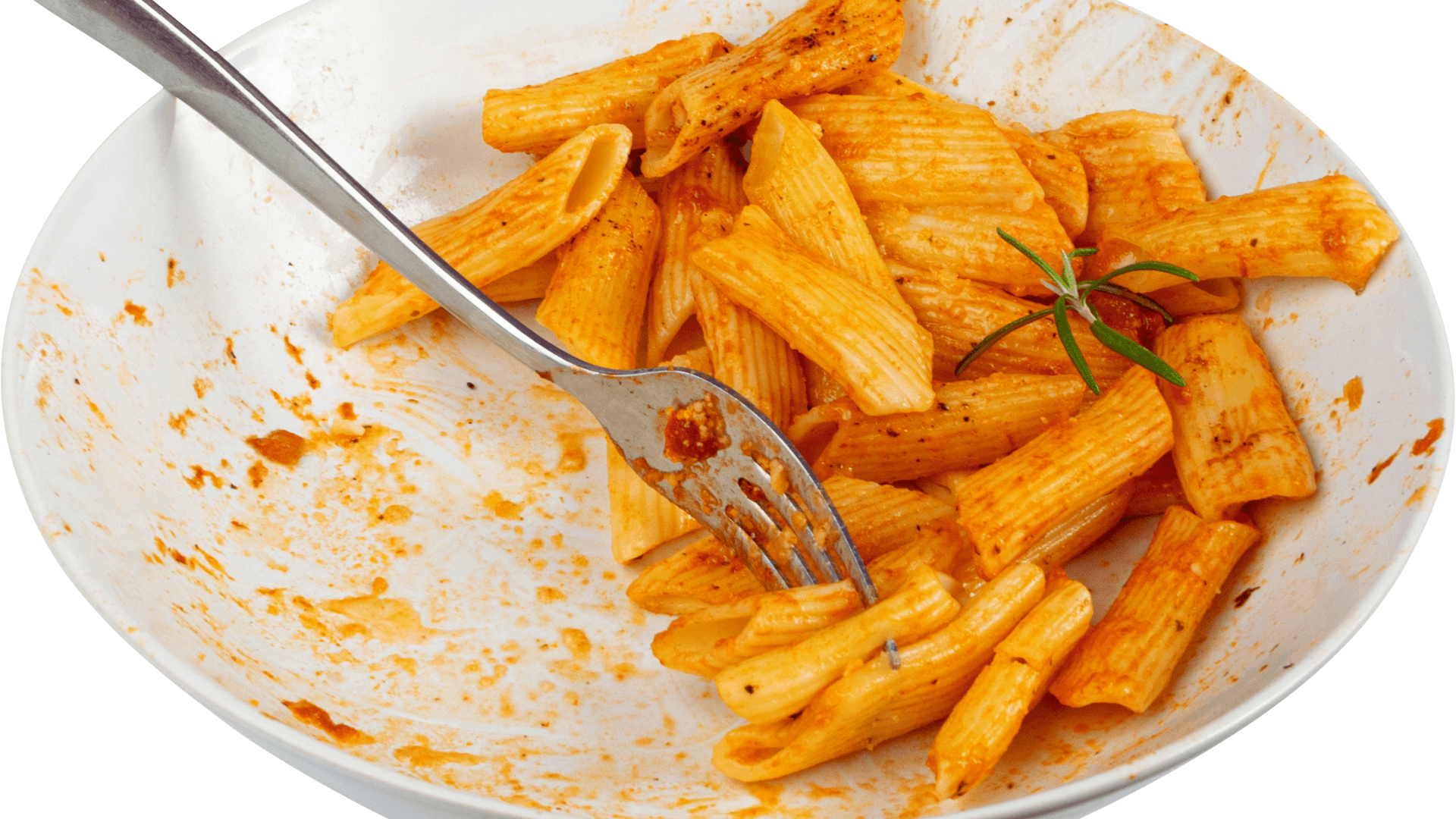
Leftovers don’t have to be boring or wasted. They can be transformed quickly into new, satisfying meals with a few simple techniques. By mixing and matching ingredients, adding fresh elements, and using different cooking methods, leftovers become the base for creative, flavorful dishes.
This approach saves time, reduces food waste, and keeps meals interesting without extra shopping. It helps anyone feel confident in the kitchen by turning common leftovers into something different and enjoyable. Readers will discover practical tips that make this process straightforward and adaptable to any type of food.
Why Transforming Leftovers Matters
Using leftovers effectively helps tackle food waste, saves money, and encourages new cooking habits. Turning extra food into fresh meals can make daily cooking more efficient and enjoyable.
Reducing Food Waste at Home
Food waste is a significant problem in many households. By repurposing leftovers, families can reduce the amount of food thrown away.
This approach prevents edible food from ending up in landfills, cutting down methane emissions. It also means less frequent grocery shopping as existing ingredients are fully utilized.
Strategies like meal prep and planning portion sizes support leftover use. Preparing meals with the intention of having leftovers encourages mindful cooking and reduces waste.
Saving Money Through Smart Cooking
Leftovers can help people save money by stretching ingredients over multiple meals. Instead of buying new products daily, he or she can transform cooked food into different dishes.
Reusing leftovers reduces the need for takeout or dining out, which often costs more. Basic staples like rice, vegetables, or proteins can become the foundation for varied and affordable meals.
Tracking what’s available in the fridge and incorporating those foods into meals helps avoid impulse purchases. It also improves budgeting by maximizing food investments already made.
Encouraging Creativity in the Kitchen
Transforming leftovers invites experimentation with flavors and recipes. It pushes cooks to combine different ingredients to create unique dishes.
He or she can turn roast chicken into soups, salads, or wraps. Leftover vegetables might become casseroles, stir-fries, or omelets. This creativity can reduce cooking time and mental effort.
Trying new seasoning blends or cooking methods breathes new life into what might otherwise be dull food. It also boosts confidence in improvising with what’s on hand.
Kitchen Tools and Storage for Leftover Success
Successful repurposing of leftovers relies on having the right tools and understanding proper storage. Using efficient equipment speeds up meal prep, while correct storage methods preserve freshness and safety.
Essential Kitchen Tools for Repurposing Meals
Key tools include airtight containers, which prevent moisture loss and cross-contamination. These containers come in various sizes for different portion needs and are stackable for better fridge organization.
A food processor is valuable for transforming leftovers into ingredients like breadcrumbs, sauces, or purees. It reduces prep time and allows for creative meal adaptations.
Batch cooking tools such as large pots and sheet pans assist in cooking or reheating multiple portions at once. Sharp knives and mixing bowls support effective ingredient preparation and combination.
Best Practices for Food Storage and Longevity
Leftovers should be stored in airtight containers within two hours of cooking to reduce bacterial growth. Labeling containers with dates helps track freshness and avoid waste.
Refrigerate most leftovers at or below 40°F (4°C) and consume within 3-4 days. For longer storage, freezing in airtight containers or freezer bags preserves quality for several months.
Avoid overfilling containers to allow even cooling and prevent spoilage. When reheating, ensure leftovers reach an internal temperature of 165°F (74°C) for safety. Proper stacking and separation in the fridge improve airflow and extend shelf life.
Creative Ways to Turn Leftovers Into New Meals
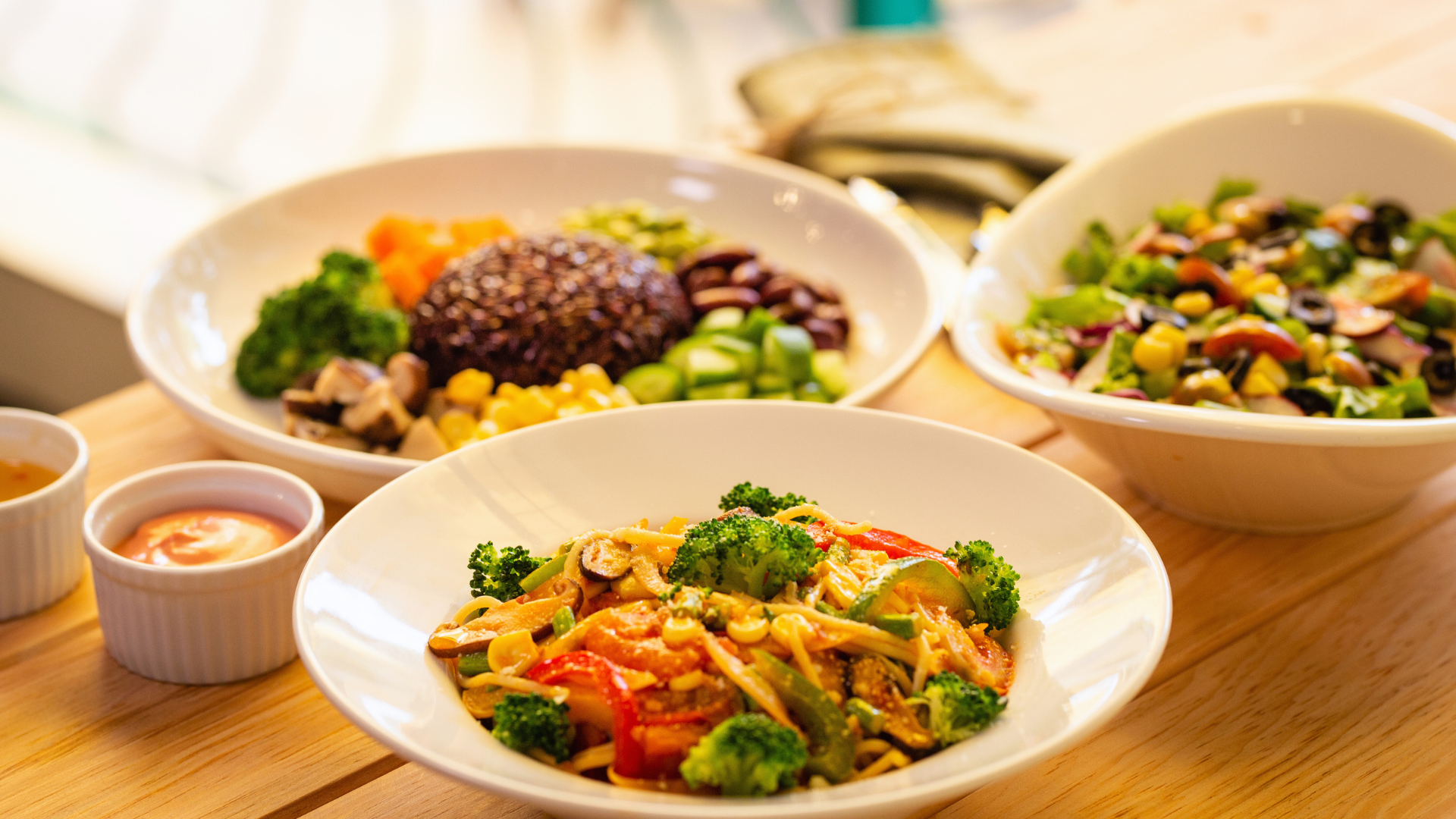
Leftovers can easily be transformed into fresh, enjoyable dishes without much effort. Using simple techniques and combining ingredients thoughtfully, meals like stir-fries, salads, and grain bowls become quick solutions to avoid waste and save time.
Turning Leftover Proteins Into Main Dishes
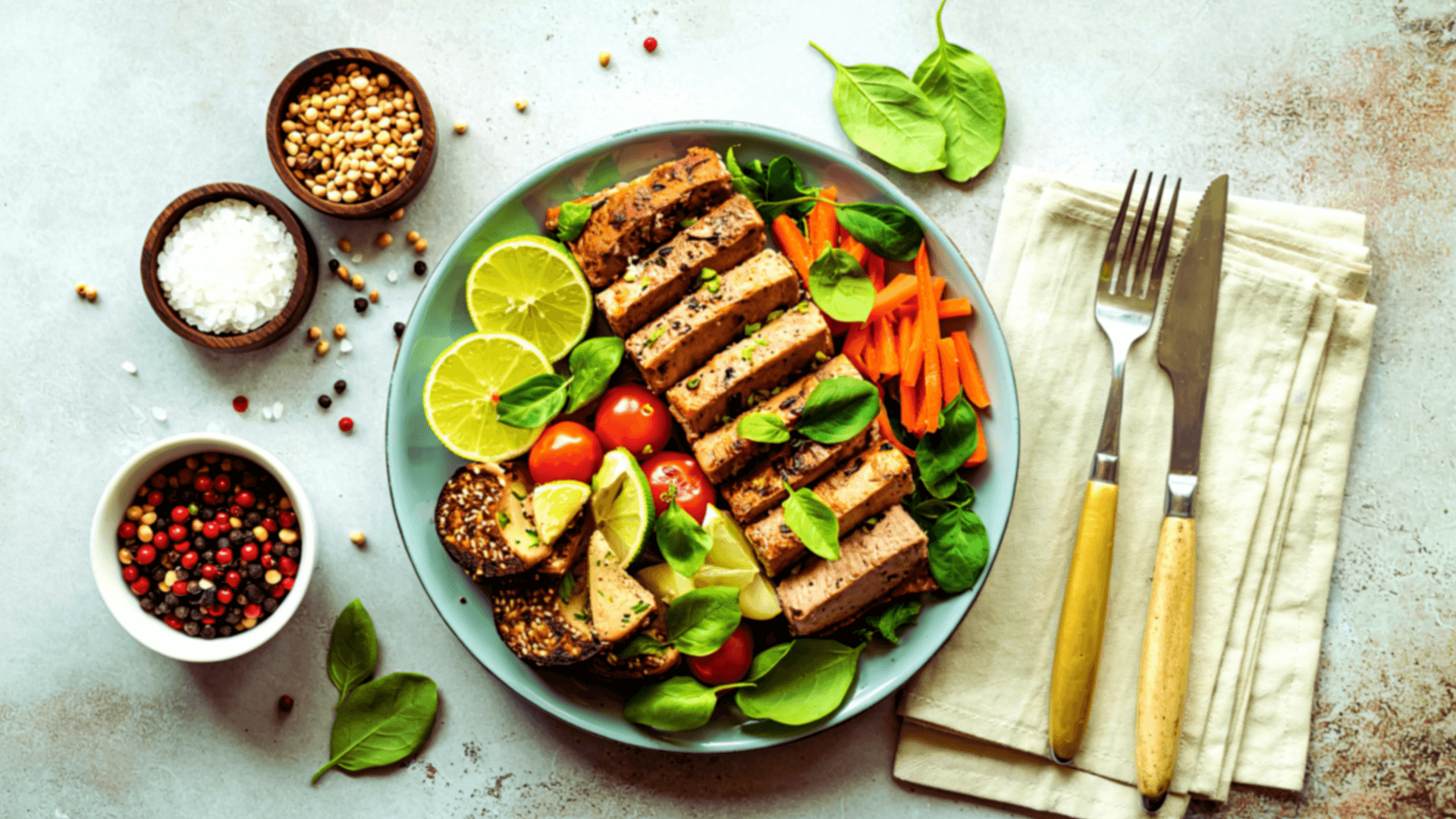
Leftover proteins such as roast chicken, steak, or fish serve as a base for new dishes. Sliced leftover roast chicken can be tossed into a chicken salad with fresh greens and a light dressing for an easy lunch.
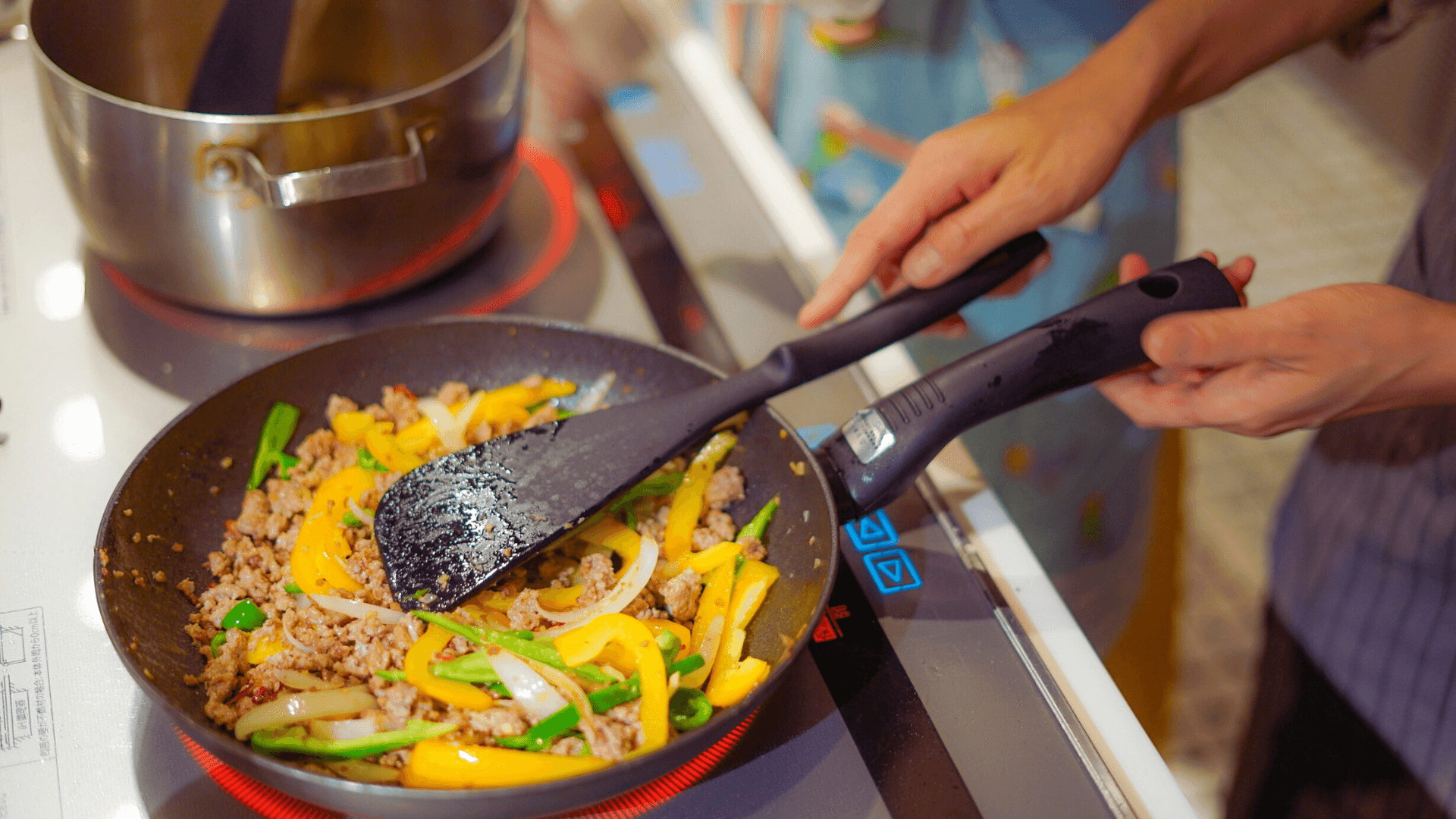
Diced leftover steak works well in stir-fries alongside fresh or frozen vegetables. Adding soy sauce and garlic enhances flavor, creating a quick, satisfying meal.
Leftover fish can be flaked and added to quesadillas with cheese and vegetables for a simple dinner. Leftover meats from roasts or grilled dishes can also be incorporated into soups or turned into filling for sandwiches.
Revitalizing Grains and Pasta
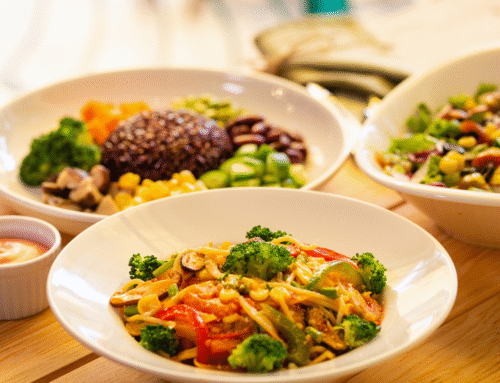
Grains like quinoa, barley, and farro can be transformed into flavorful grain bowls by combining them with vegetables, proteins, and sauces. Leftover rice is ideal for fried rice, a quick dish that incorporates eggs, vegetables, and sauces like soy or oyster.
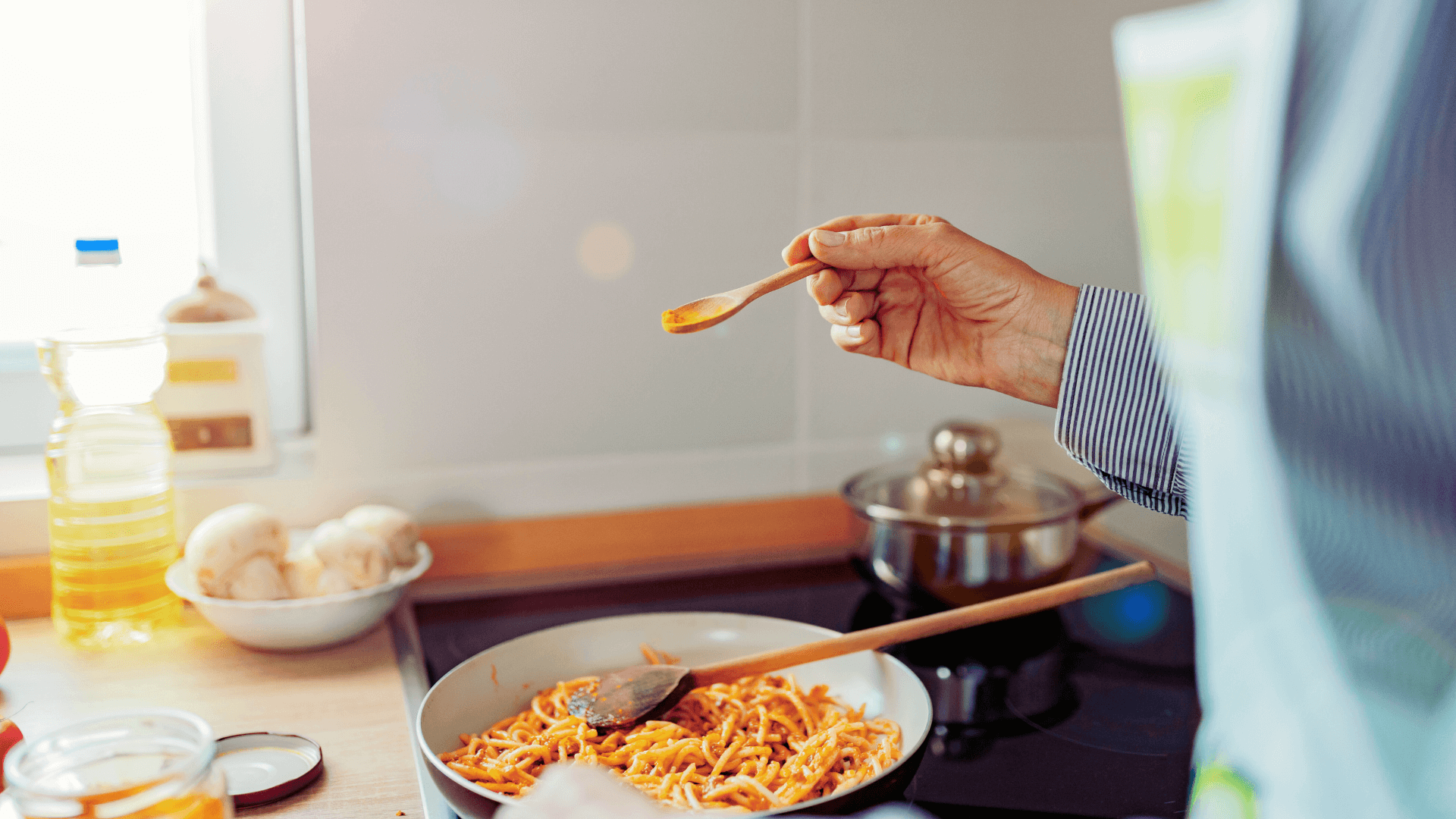
Leftover pasta is perfect for pasta salad when mixed with fresh vegetables, a vinaigrette, and herbs. Warmed pasta can be refreshed in a skillet with sauces and cheese or incorporated into casseroles for a heartier meal option.
These approaches prevent grains and pasta from becoming bland or overcooked from reheating.
Transforming Vegetables and Fruits
Leftover vegetables can be chopped and added to soups or stir-fries to enhance texture and nutrition. For example, leftover vegetables mix well in vegetable soup, adding variety and volume.
Mashed potatoes can be reshaped into patties and pan-fried, creating crispy, new side dishes.
Overripe or leftover fruit can be blended into smoothies, providing a nutritious and easy-to-consume option. They can also be incorporated into baked goods or compotes for added flavor in breakfasts or desserts.
Repurposing Sauces, Breads, and Pizza
Sauces left from previous meals can boost flavor in new recipes. For instance, leftover tomato sauce works as a base for quick pasta dishes or as a dip for bread.
Stale bread can be toasted or fried into croutons for salads or soups, adding texture and reducing waste.
Leftover pizza slices can be refreshed in a hot pan or oven, or their toppings removed and used in omelets or quesadillas. Using these components wisely allows turning small remnants into parts of quick, satisfying meals.
Tips for Safe Handling and Meal Planning With Leftovers
Properly storing and organizing leftovers reduces waste and keeps meals safe to eat. Planning meals in advance using batch cooking methods helps manage portions and diversify menus throughout the week.
Assessing and Organizing Leftover Ingredients
He should first inspect leftovers for freshness by checking appearance, smell, and texture.
Labeling containers with the date of storage is essential to track how long items have been kept.
Use clear, airtight containers to maintain quality and prevent cross-contamination in the fridge.
Leftovers should be consumed within 3-4 days or frozen for longer storage to avoid foodborne illness.
Placing newer leftovers behind older ones encourages using older items first, reducing spoilage.
Regularly cleaning the fridge and discarding expired leftovers helps maintain food safety.
Smart Meal Planning With Batches and Leftovers
Batch cooking allows large quantities of meals to be prepared and portioned for later use.
Planning diverse meals around the cooked batches prevents repetitive eating and uses all ingredients efficiently.
He can repurpose cooked meats into salads, sandwiches, or stir-fries to create variety from a single batch.
Combining leftovers with fresh ingredients adds texture and flavor without needing to cook new dishes from scratch.
Scheduling a leftover meal day each week helps clear the fridge and minimizes food waste.
Keeping a list of available leftovers aids in meal planning and grocery shopping decisions.

Leave A Comment