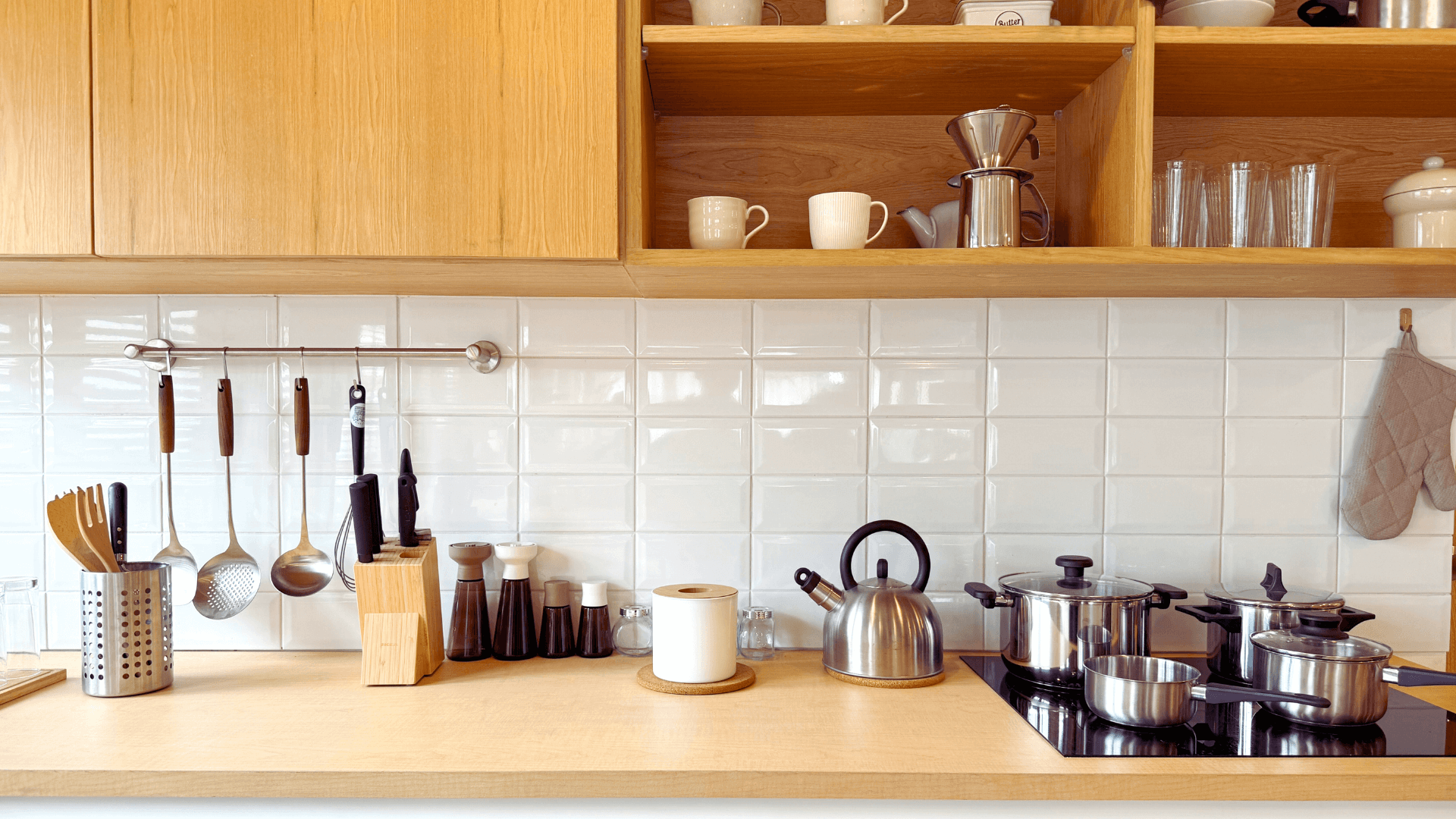
Building a kitchen that supports sustainable living means designing a space that reduces waste, conserves energy, and uses eco-friendly materials. The key is to focus on durability, energy efficiency, and waste reduction from the start. This approach benefits both the environment and the homeowner by lowering utility costs and creating a healthier living space.
Sustainable kitchens incorporate features like energy-efficient appliances, water-saving fixtures, and recycled or sustainably sourced materials. Thoughtful layout and storage solutions also help minimize food waste and promote mindful consumption.
By prioritizing these elements, it becomes easier to maintain a kitchen that aligns with sustainable values while meeting everyday needs effectively. This practical approach offers a clear path toward reducing one’s environmental footprint at home.
Fundamental Principles of a Sustainable Kitchen
A sustainable kitchen focuses on reducing environmental impact through conscious choices in design, materials, and daily habits. It balances efficiency, waste reduction, and resource conservation while supporting healthier living spaces.
What Is a Sustainable Kitchen
A sustainable kitchen minimizes its environmental footprint by using energy-efficient appliances, eco-friendly materials, and waste-reduction strategies. It often incorporates reclaimed or renewable materials like bamboo, recycled glass countertops, and low-VOC paints.
Water-efficient fixtures and LED lighting reduce resource use. Appliances with Energy Star ratings lower electricity consumption. A sustainable kitchen also prioritizes food storage methods that reduce spoilage and packaging waste to limit overall waste generation.
Core Benefits of Sustainable Living
Sustainable kitchens contribute to lower utility bills by cutting energy and water use. This financial benefit aligns with reducing greenhouse gas emissions and conserving natural resources.
Health improvements come from selecting non-toxic building materials and better air quality control. Sustainable kitchens promote food waste management through composting, helping households reduce landfill contributions and create nutrient-rich soil for gardens.
Key Areas of Environmental Impact
Energy consumption is critical in sustainable kitchens, where efficient appliances and lighting reduce carbon footprints. Water use is another focal area, emphasizing low-flow faucets and dishwashers.
Waste management targets minimizing landfill inputs by recycling materials like glass, plastic, and metals. Sustainable kitchens also tackle food waste with composting and thoughtful meal planning.
Material sourcing affects sustainability through the choice of renewable, recycled, or locally sourced products, lowering environmental impact linked to transportation and manufacturing emissions.
Reducing Waste and Composting
Minimizing waste begins with intentional choices around food purchasing, storage, and disposal. Effective strategies focus on reducing leftover food, optimizing storage techniques, and turning organic waste into nutrient-rich compost.
Strategies to Reduce Food Waste
To reduce waste, planning meals and shopping with a list helps avoid impulsive buys that may spoil. Buying in bulk can cut packaging waste and reduce trips to the store, but requires careful portion control to prevent spoilage.
Using compostable packaging where possible lowers plastic waste. Choosing loose produce instead of pre-packaged items also reduces unnecessary waste. Monitoring expiration dates and rotating food in the pantry ensures older items are used first, cutting down on discarded food.
Efficient Food Storage and Leftovers
Proper food storage extends freshness and reduces spoilage. Beeswax wraps are an eco-friendly alternative to plastic wrap for covering bowls or wrapping produce. Airtight containers prevent moisture and air exposure, which degrade food quality.
Labeling leftovers with dates helps prioritize consumption. Storing cooked meals in portioned containers enables better meal planning and reduces food thrown away. Leftovers can also be creatively reused in new recipes to maximize ingredients.
Setting Up a Composting Station
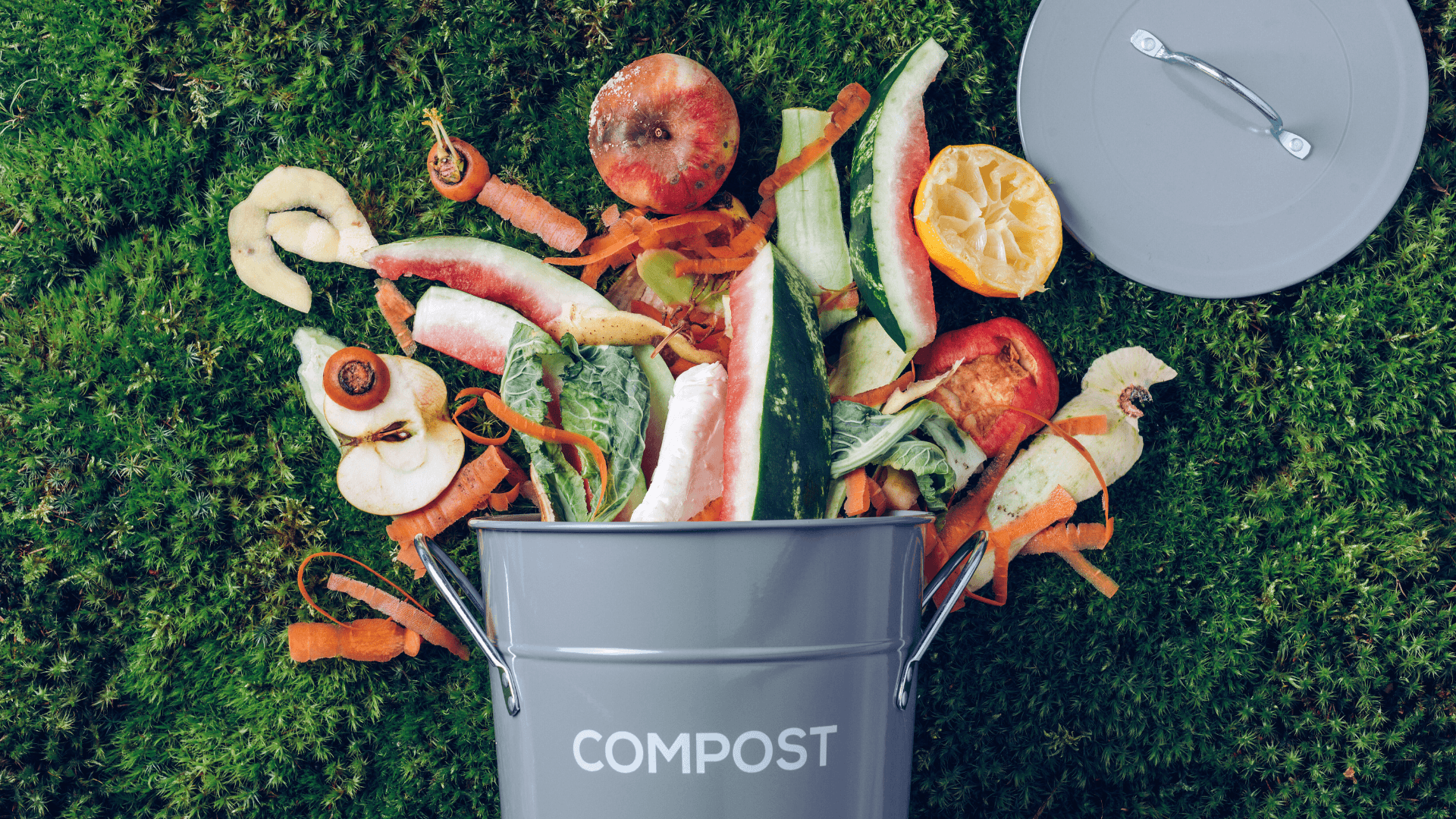
A dedicated composting station simplifies managing organic kitchen waste. It should include a bin with a tight-fitting lid to prevent odors and pests. Using compostable sponges and liners makes cleaning and waste transfer easier.
Locating the station near the food prep area increases convenience. Adding food scraps, coffee grounds, and eggshells creates nutrient-rich compost. Avoiding meat and dairy in compost prevents attracting unwanted animals. Regularly turning the compost aids decomposition and reduces smell.
Energy and Water Conservation
A kitchen designed for sustainability reduces energy use and conserves water through smart product choices and layout. It combines efficient appliances, fixtures that limit water flow, and lighting strategies that minimize electricity consumption while maximizing natural light.
Choosing Energy-Efficient Appliances
Energy-efficient appliances use less electricity without sacrificing performance. Products with the Energy Star label meet strict efficiency guidelines, helping to lower utility bills and environmental impact.
Induction cooktops heat faster and waste less energy compared to traditional electric or gas stoves. They also provide precise temperature control, increasing cooking efficiency.
Refrigerators and dishwashers with inverter motors use power more effectively, adjusting energy use according to demand. Choosing appliances with a smaller capacity suited to household needs prevents excessive energy consumption.
Adopting Water-Saving Fixtures
Low-flow faucets reduce water flow to under 1.5 gallons per minute, significantly cutting water use during kitchen tasks. These fixtures maintain water pressure and functionality while helping to reduce overall waste.
Installing aerators on taps breaks water into smaller droplets, making the flow feel stronger without increasing usage. Touchless or sensor-activated faucets encourage less water wastage by shutting off automatically.
Choosing appliances like dishwashers that use water efficiently further supports water conservation in the kitchen. Combining these fixtures and appliances helps reduce water bills and environmental strain.
Maximizing Natural and Efficient Lighting
Using skylights and large windows increases natural light in the kitchen, lowering reliance on artificial lighting during the day. This also enhances the cooking environment and mood.
LED lighting is the most energy-efficient option for kitchen illumination, lasting longer and consuming less power than incandescent or fluorescent bulbs. Installing dimmable LED fixtures allows for adjustable brightness and additional energy savings.
Strategic placement of task lighting focuses illumination where it is needed most, preventing overuse of light in the entire room. Combining natural and energy-efficient artificial lighting creates a well-lit space with minimal energy consumption.
Sustainable Materials and Eco-Friendly Products
A kitchen that supports sustainable living focuses on materials with low environmental impact and products that minimize harmful chemicals. These choices extend from the floors and surfaces to the cleaning products used daily, balancing durability and ecological responsibility.
Selecting Sustainable Flooring and Surfaces
Choosing sustainable flooring involves prioritizing materials that are renewable, have low toxicity, and are durable. Bamboo and cork are popular options because they regenerate quickly and require less energy to produce than traditional hardwood.
Concrete and recycled glass countertops reduce waste by repurposing materials while offering long-lasting surfaces. Low-VOC finishes on floors and surfaces also improve indoor air quality by limiting chemical emissions.
Tile made from recycled content is an effective alternative, combining durability with recycled material use. When selecting surfaces, opting for those certified by third-party sustainability standards — such as FSC for wood or GREENGUARD for indoor emissions — ensures adherence to environmental criteria.
Using Reclaimed and Renewable Materials
Reclaimed wood is valuable for kitchen cabinetry and shelving because it repurposes existing resources, reducing deforestation and landfill waste. Its unique aesthetics add character without compromising sustainability goals.
Renewable materials, like rapidly growing bamboo, reduce pressure on slow-growing hardwoods. Using these materials helps balance environmental impact with design needs.
Materials should be sourced locally when possible to minimize transportation emissions. This approach also supports regional economies and reduces the overall carbon footprint of kitchen construction.
Switching to Natural and Eco-Friendly Cleaning Products
Natural cleaning products rely on plant-based ingredients such as vinegar, baking soda, and essential oils. These avoid synthetic chemicals found in many conventional cleaners, which can harm indoor air quality and waterways.
Eco-friendly cleaning products often feature biodegradable packaging and do not contain phosphates or harmful solvents. Their use reduces chemical exposure for kitchen users and minimizes environmental pollution.
Consumers should look for labels like EPA Safer Choice or Ecologo to ensure verified environmental and health standards. Regular use supports both kitchen hygiene and sustainable living principles.





Leave A Comment