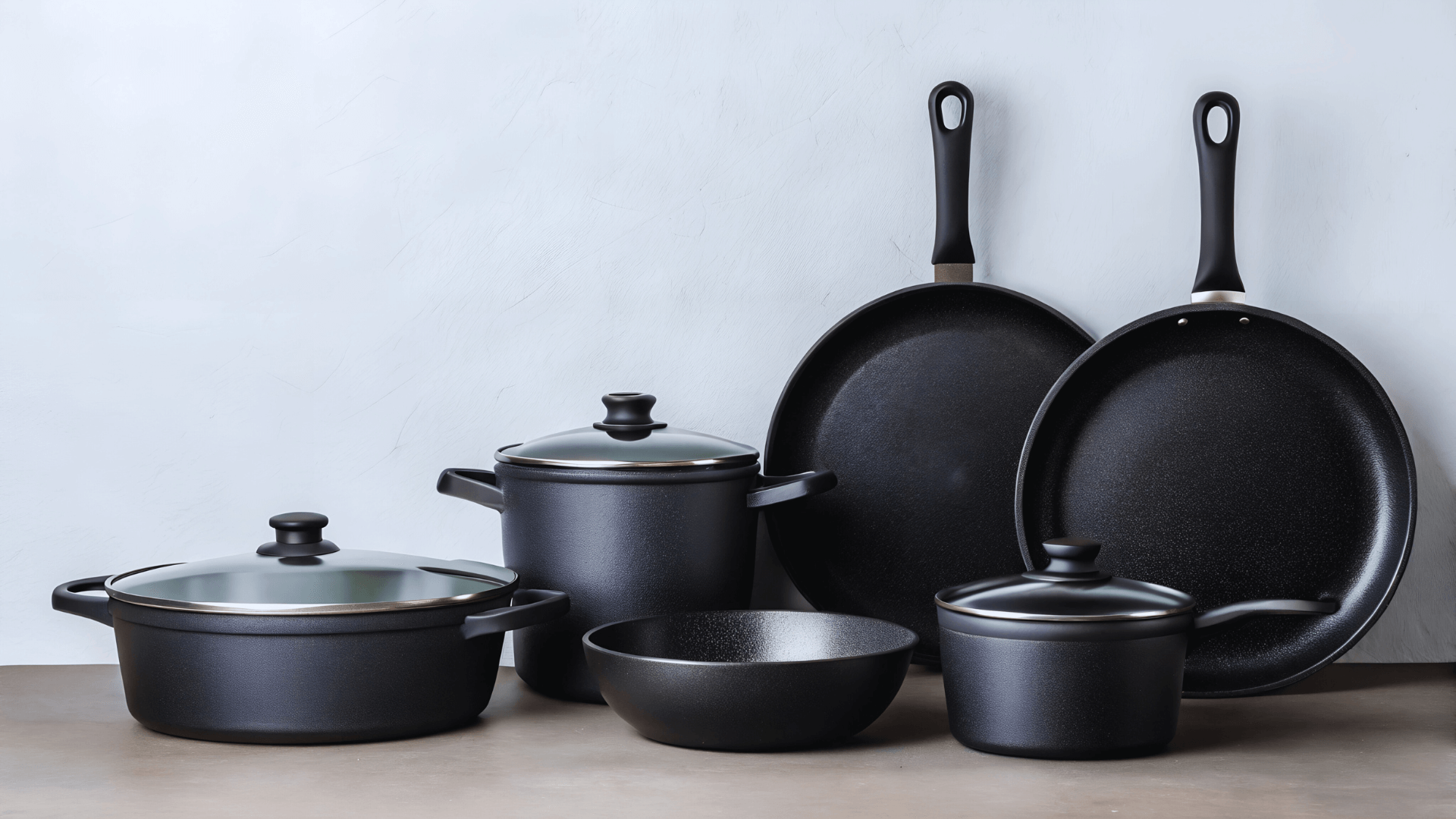
Choosing eco-friendly cookware and tools involves looking for materials that reduce environmental impact, such as stainless steel, cast iron, or bamboo. Avoiding non-stick coatings with harmful chemicals is also important for health and sustainability. The best eco-friendly cookware combines durability, non-toxicity, and the ability to be recycled or composted at the end of its life.
They should consider the production process and whether the brand uses ethical practices and minimal packaging. Cookware that lasts longer reduces waste and the need for frequent replacement.
Understanding these factors helps buyers make informed choices that benefit both their kitchen and the planet.
What Makes Cookware and Tools Eco-Friendly
Eco-friendly cookware and tools prioritize durability, safety, and minimal environmental impact during production and disposal. They avoid harmful chemicals and support fair manufacturing practices.
Key Criteria for Sustainable Cookware
Sustainable cookware is made from materials that last longer and reduce waste, such as stainless steel, cast iron, and ceramic. These materials resist wear without frequent replacement.
Energy-efficient production methods also matter. Cookware with fewer resources used and less waste generated has a lower environmental footprint.
Recyclability and biodegradability at the end of the product’s life are key. Cookware that can be fully recycled or safely composted helps reduce landfill waste.
Why Avoid Toxic Materials and Coatings
Many traditional non-stick coatings contain perfluorooctanoic acid (PFOA) and polytetrafluoroethylene (PTFE), which release harmful fumes when overheated. These chemicals may also accumulate in the environment.
Cookware with natural, non-toxic coatings like ceramic, enamel, or uncoated metals is safer for health and the planet. Avoiding toxic substances protects indoor air quality and reduces chemical pollution.
Toxic materials also complicate recycling and disposal because they contaminate waste streams and require special handling.
Certifications and Ethical Manufacturing
Look for certifications like Green Seal, Cradle to Cradle, or OEKO-TEX that verify environmental and health standards. These confirm materials used are safe and responsibly sourced.
Fair labor practices and eco-friendly manufacturing methods matter. Brands that prioritize worker welfare and minimize emissions support social sustainability.
Ethical manufacturers also emphasize transparency about sourcing and production, allowing buyers to make informed choices.
Choosing the Best Eco-Friendly Cookware Materials
Selecting eco-friendly cookware involves considering durability, non-toxicity, and production impact. Materials that offer long-term use, minimal chemical coatings, and low environmental footprints are preferable.
Ceramic and Ceramic-Coated Cookware
Ceramic cookware is prized for its natural composition and absence of synthetic chemicals like PFOA and PTFE. Pure ceramic is made from inorganic materials, which decompose safely without releasing harmful substances.
Ceramic-coated pans combine metal bases with a ceramic layer, offering non-stick properties without traditional chemicals. However, the coating can wear down over time, reducing lifespan and potentially exposing the underlying metal.
It is important to check for certifications and confirm that the ceramic coating is free from heavy metals. Ceramic cookware heats evenly and is easy to clean, but it may be less durable compared to metal alternatives.
Recycled Stainless Steel
Recycled stainless steel uses scrap metal, significantly reducing resource extraction and energy consumption relative to virgin steel. It maintains all the benefits of stainless steel—durability, corrosion resistance, and recyclability.
This material withstands high temperatures and offers a long lifespan with proper care, reducing waste. Its non-reactive surface does not leach harmful substances into food.
Look for cookware explicitly labeled as made from recycled stainless steel to ensure the environmental benefits. Its recyclability at the end of use strengthens its eco-friendly profile.
Cast Iron and Carbon Steel
Cast iron and carbon steel are highly durable and often last decades with maintenance, making them sustainable choices. They retain and distribute heat evenly, ideal for many cooking methods.
Both require seasoning to build a natural, non-stick surface without synthetic chemicals. This seasoning improves with use, enhancing performance while avoiding potentially harmful coatings.
Iron-based cookware can react slightly with acidic foods, adding trace iron to the diet, considered beneficial. These materials are heavy and require careful cleaning to prevent rust, but provide excellent longevity.
Other Sustainable Options: Glass, Bamboo, and Titanium
Glass cookware is inert, non-toxic, and fully recyclable, making it safe for cooking and storing food. It heats unevenly compared to metals, but excels in baking and microwave use.
Bamboo is used mainly for utensils and cutting boards. It is fast-growing, renewable, and biodegradable, significantly reducing environmental impact compared to plastic.
Titanium cookware is lightweight, durable, and corrosion-resistant. It often features a non-stick surface made without harmful chemicals and is recyclable, but requires careful production to minimize environmental harm.
Selecting Eco-Friendly Kitchen Tools and Accessories
Choosing the right kitchen tools means focusing on safety, durability, and environmental impact. Materials, reusability, and packaging influence how eco-friendly a product truly is.
Nontoxic Utensils and Cutting Boards
Utensils and cutting boards made from natural materials like bamboo or sustainably sourced wood are preferable. These materials avoid harmful chemicals often found in plastics, such as BPA or phthalates.
Avoid utensils coated with nonstick chemicals or synthetic resins. Food-safe silicone can be an alternative when heat resistance and flexibility are needed.
Wood and bamboo cutting boards can be sanitized with vinegar or mineral oil, extending their lifespan. Avoid using plastic boards that scratch easily, as scratches harbor bacteria and contribute to microplastic pollution.
Reusable and Compostable Kitchen Items
Reusable kitchen items minimize waste. Cloth dish towels and beeswax food wraps replace disposable paper towels and plastic wraps effectively.
Compostable items such as utensils made from cornstarch or sugarcane provide an eco-friendly alternative for occasional disposable needs. Confirm that these items meet industrial composting standards for biodegradability.
Choosing reusable options also reduces purchase frequency, lowering overall resource consumption. Proper care and cleaning extend the life of reusable kitchen accessories.
Responsible Packaging and Recycling Programs
Packaging should be minimal, recyclable, or biodegradable to reduce landfill waste. Look for products in cardboard boxes with simple printing rather than plastic blister packs or multilayered packaging.
Companies that offer take-back or recycling programs support closed-loop consumption. These programs ensure tools and accessories are properly recycled or repurposed, reducing environmental burden.
Consumers can check product labels and company websites for clear recycling instructions and packaging material details before purchasing.
Maximizing Sustainability in Everyday Cooking
Sustainability in cooking depends on how cookware is maintained, waste is minimized, and tools are evaluated continuously for eco-friendliness. Practical habits and thoughtful upgrades play a crucial role in extending the lifespan and reducing environmental impact.
Caring for and Maintaining Eco-Friendly Cookware
Proper care extends the utility of eco-friendly cookware, preventing premature waste. For example, cast iron should be seasoned regularly to maintain its non-stick surface and prevent rust.
Avoid harsh detergents and abrasive scrubbers, which can degrade ceramic or non-stick surfaces faster. Instead, use mild soaps and soft sponges.
Dry cookware thoroughly after washing to prevent moisture damage. Store cookware in a dry, ventilated place to reduce wear.
Regular inspection for chips, cracks, or warping helps determine if repair or replacement is needed before damage worsens.
Reducing Kitchen Waste through Smart Choices
Smart kitchen practices reduce waste and environmental strain. Purchasing reusable products such as silicone lids or beeswax wraps minimizes disposable plastic use.
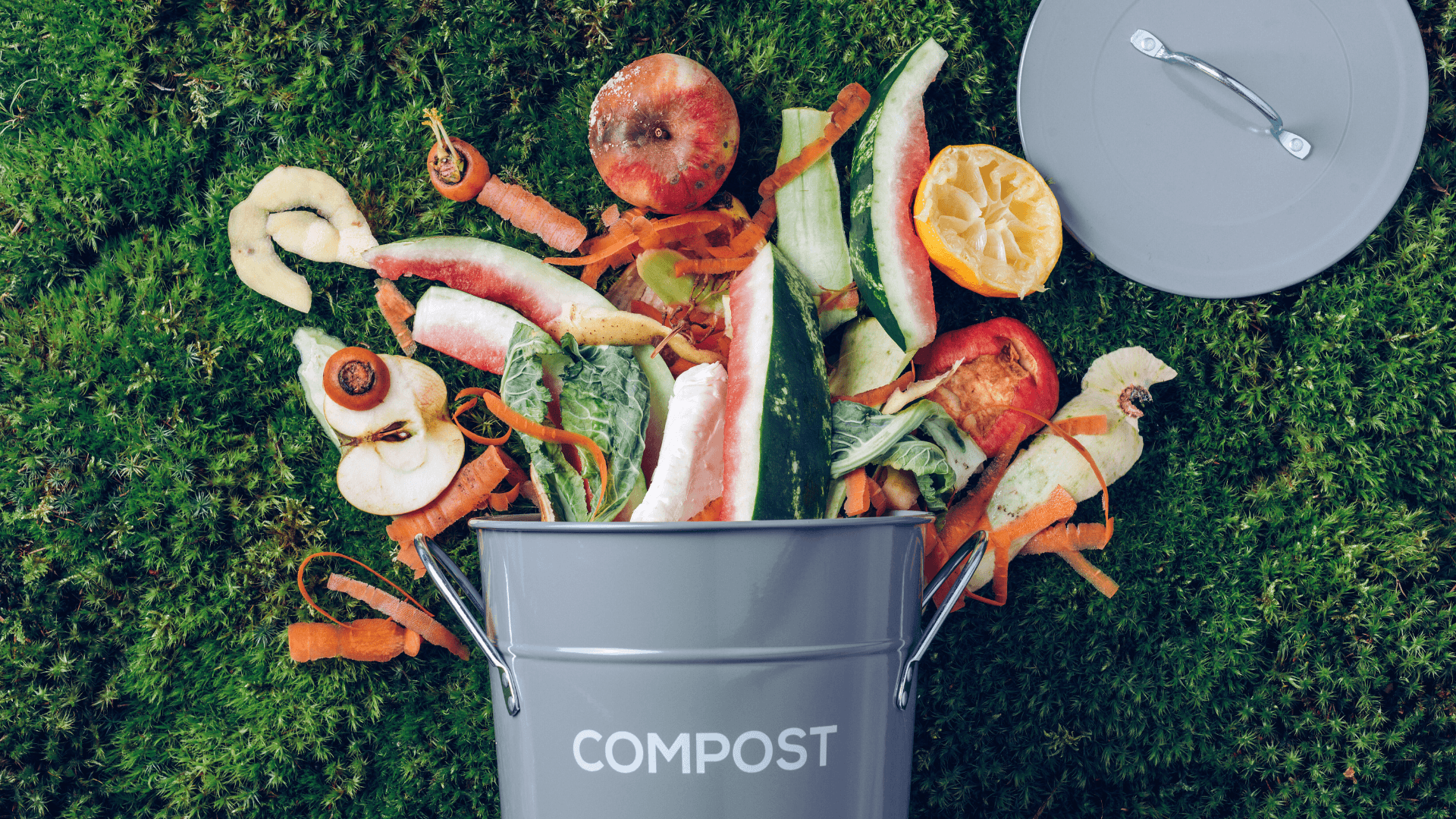
Composting organic scraps prevents excess food waste from entering landfills. Collect peels, coffee grounds, and vegetable ends for compost bins.
Choosing durable tools over single-use items, like stainless steel knives or wooden spoons, reduces frequent replacement needs.
Planning meals carefully prevents overbuying and food spoilage, which significantly cuts down on waste.
Evaluating and Upgrading Existing Tools
Regularly assess kitchen tools for sustainability based on material, durability, and repairability. Tools made from bamboo, stainless steel, or recycled materials typically offer better longevity.
Replace plastic utensils with metal or wood when worn or broken. This reduces reliance on non-recyclable materials.
Upgrading can involve selecting multifunctional tools to reduce clutter and resource use.
Before discarding old tools, consider donating or recycling them through designated programs to prevent landfill contributions.







Leave A Comment