
Cooking habits directly influence environmental sustainability through choices such as reducing food waste, selecting locally sourced ingredients, and minimizing energy use. Adopting mindful cooking practices can significantly lower one’s carbon footprint and conserve natural resources.
People who plan meals carefully and use leftovers effectively help decrease unnecessary waste that contributes to methane emissions in landfills. Choosing seasonal and plant-based foods further supports sustainable agriculture and reduces reliance on resource-intensive meat production.
Energy-efficient cooking methods, like using lids on pots or choosing appropriate appliances, also matter. Together, these habits create a meaningful impact on the environment by promoting resource conservation and lowering greenhouse gas emissions.
The Role of Cooking Habits in Environmental Sustainability
Cooking habits directly affect the environment through resource use, energy consumption, and food waste. Changes in how people prepare and consume food can reduce negative impacts linked to food systems and energy demands.
Understanding Environmental Impact in the Kitchen
The kitchen contributes to environmental issues through water use, energy consumption, and food waste. Appliances like ovens and refrigerators use significant electricity, especially if they are inefficient.
Food waste in the kitchen leads to unnecessary methane emissions in landfills. Reducing waste by planning meals and storing food properly lowers this impact.
Using water-efficient practices, such as minimal rinsing and full loads in dishwashers, conserves water. Choosing energy-efficient appliances also decreases carbon footprints related to cooking.
The Connection Between Food Production and Cooking
Food production involves land use, water, and emissions. Meat and dairy typically require more resources than plant-based foods.
Cooking habits that emphasize plant-forward meals help reduce resource strain. Choosing seasonal and local produce cuts down transportation emissions.
Reducing meat portion sizes or integrating alternative protein sources can lower reliance on high-impact foods. This connection highlights how cooking choices influence the environmental cost of food production.
Key Elements of Sustainable Cooking Practices
Sustainable cooking includes minimizing food waste, using energy-efficient appliances, and selecting low-impact ingredients. Batch cooking reduces energy use by limiting repeated heating.
Using lids on pots and pans saves energy by retaining heat. Opting for pressure cookers or microwaves also shortens cooking time and energy use.
Proper meal planning avoids excess food purchase and spoilage. Composting unavoidable food scraps returns nutrients to the soil and reduces landfill waste.
Key practices to adopt:
- Prioritize plant-based ingredients
- Use energy-efficient cooking methods
- Minimize food waste with planning and storage
- Compost organic waste when possible
How to Reduce Environmental Impact Through Cooking
Cooking choices can significantly affect energy consumption and greenhouse gas emissions. Using efficient methods, selecting the right appliances, and conserving resources can lower carbon footprints in everyday meal preparation.
Energy-Efficient Cooking Methods
Energy-efficient cooking focuses on techniques that minimize wasted heat and time. Using lids on pots and pans traps heat, reducing cooking time and energy use. Pressure cookers also cut energy consumption by cooking food faster under steam pressure.
Microwaves and slow cookers consume less energy than conventional ovens, especially for smaller portions. Induction cooktops offer precise heat control and faster cooking, lowering overall energy consumption compared to electric or gas stoves. Batch cooking reduces repeated heating and allows for efficient meal preparation.
Choosing Low-Emission Appliances and Tools
Selecting appliances with low greenhouse gas emissions is crucial for sustainable kitchens. Electric stoves powered by renewable energy have a smaller carbon footprint than gas stoves, which release methane—a potent greenhouse gas. Induction cooktops are more energy-efficient than traditional electric coils due to direct magnetic heating.
Choosing Energy Star-certified appliances ensures better energy efficiency. Tools made with sustainable materials, such as bamboo cutting boards or recycled metal utensils, support environmental goals by reducing resource extraction and waste.
Adopting Water and Energy Conservation Measures
Conserving water and energy during cooking reduces environmental impact. Using just enough water to cover foods or steaming vegetables instead of boiling lowers water and energy use simultaneously. Turning off the heat early and allowing residual heat to complete cooking saves energy.
Running dishwashers only when full conserves water and electricity. Washing vegetables in a bowl rather than under running water reduces consumption. Regularly maintaining appliances keeps them operating efficiently, preventing excess energy use and unnecessary emissions.
Minimizing Food Waste and Supporting a Circular Kitchen
Reducing food waste begins with intentional practices that extend the lifecycle of ingredients and food scraps. Implementing efficient planning, proper storage, and responsible disposal turns kitchens into hubs for resource conservation and soil enrichment.
Effective Meal Planning and Prep
Meal planning helps households buy only what they need, cutting excess purchases that often spoil. Creating detailed shopping lists based on planned meals prevents impulse buys and leftovers that go unused.
Batch cooking and prepping ingredients in advance streamlines daily cooking, minimizing the chance of wasting fresh produce. Portioning meals for the right number of servings also reduces uneaten food.
Using apps or calendars to track expiration dates encourages timely consumption. Prioritizing perishable items early in the week limits spoilage.
Smart Food Storage Solutions
Proper storage techniques extend the freshness of food, lowering waste. Sealing foods in airtight containers slows oxidation and moisture loss, particularly for chopped vegetables and leftovers.
Storing herbs wrapped in damp paper towels or placing root vegetables in cool, dark places prolongs shelf life. Separating ethylene-producing fruits, like apples, from sensitive vegetables prevents premature decay.
Clear labeling with purchase or prep dates aids quick identification, reducing forgotten items in the fridge. Vacuum sealing and freezing surplus food are effective for long-term preservation.
Composting and Recycling Organic Waste
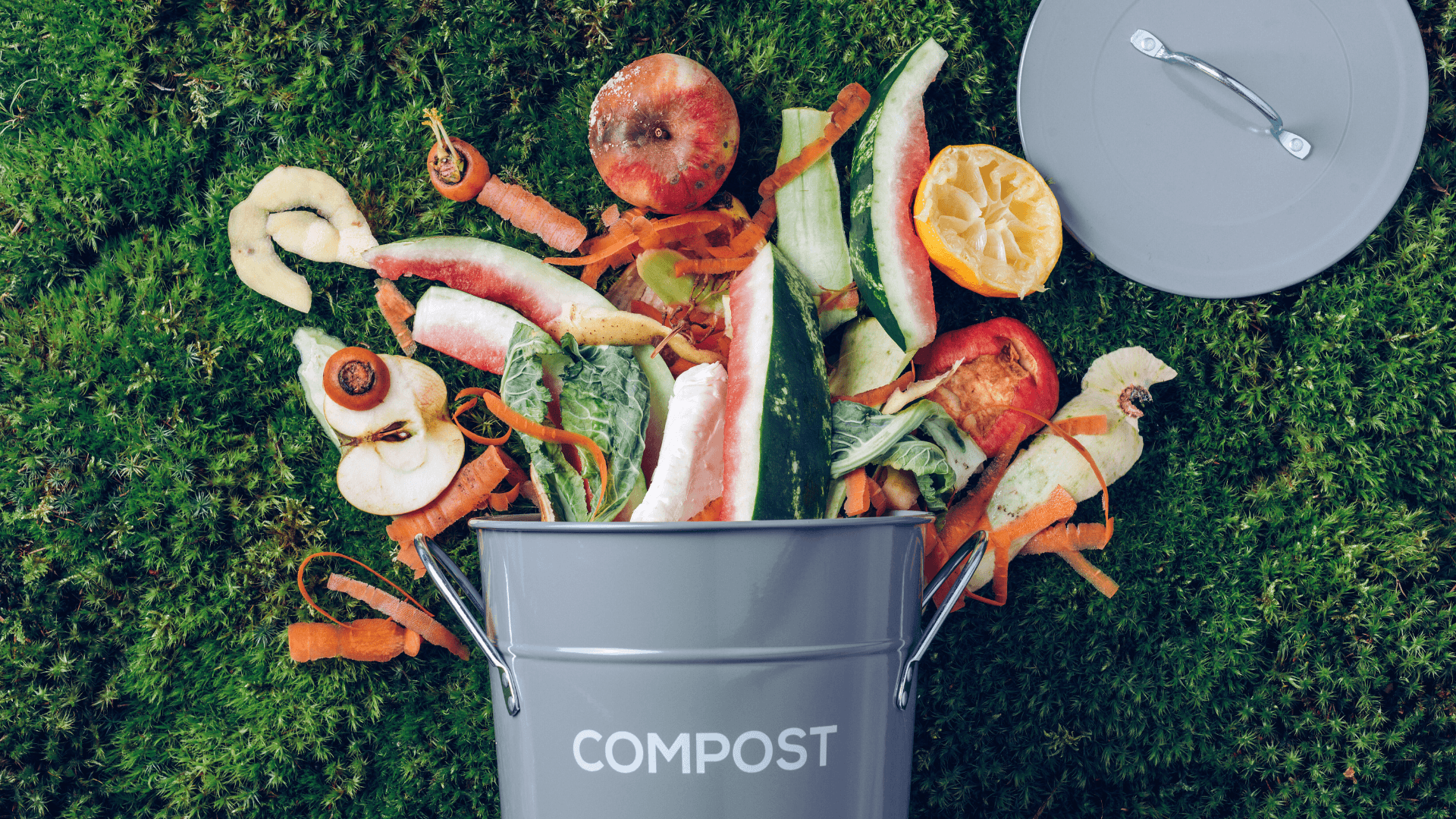
Composting transforms food scraps into nutrient-rich soil, closing the loop in a circular kitchen. Collecting vegetable peels, coffee grounds, and eggshells avoids landfill waste while boosting garden health.
Household compost bins with good aeration and moisture control break down organic matter efficiently. Some communities offer green waste pickup for larger volumes.
Avoid composting meats or dairy, as they attract pests and hinder decomposition. Using finished compost in gardens supports local ecosystems by returning valuable nutrients to the earth.
Creative Use of Leftovers
Repurposing leftovers reduces the need for additional meals and minimizes waste. Soups, casseroles, and stir-fries can incorporate diverse leftover ingredients, extending their usability.
Transform stale bread into croutons or breadcrumbs rather than discarding it. Overripe fruits work well in smoothies, baking, or preserves.
Encouraging portion control and inventive recipes helps households use all the purchased food. Labeling leftovers clearly improves consumption timing and prevents spoilage.
Empowering Sustainable Choices in Cooking and Eating
Sustainable cooking relies on selecting ingredients thoughtfully, supporting responsible production, and adopting practices that minimize waste. These actions help balance environmental impact while maintaining quality and nutrition.
Prioritizing Plant-Based and Seasonal Meals
Choosing plant-based meals reduces reliance on resource-intensive animal agriculture. Vegetables, legumes, grains, and fruits generally require less water and emit fewer greenhouse gases.
Seasonal produce is fresher and often requires less transportation and storage energy. For example, eating tomatoes in summer in temperate regions lowers the need for heated greenhouses or importation.
Integrating diverse plant-based ingredients and favoring seasonal crops supports biodiversity and reduces the environmental footprint of meals. This approach aligns with sustainable nutrition goals and creates varied, nutrient-rich diets.
Sourcing from Local Farmers and Producers
Buying from local farmers cuts down on transportation emissions and supports regional economies. Local farms often use organic or reduced-chemical methods that improve soil health and biodiversity.
Consumers can access fresher, less processed foods by choosing local produce. Community Supported Agriculture (CSA) programs, farmers’ markets, and farm stands are reliable sources.
Evaluating labels and asking producers about farming practices is key. Local sourcing strengthens connections between growers and consumers, promoting transparency and trust in food quality.
Mindful Consumption and Kitchen Practices
Mindful consumption means planning meals to avoid food waste and using leftovers creatively. Proper storage techniques preserve food longer and reduce spoilage.
Simple kitchen practices, like measuring ingredients accurately and composting organic waste, support sustainability. Energy-efficient appliances and cooking methods lower utility consumption.
Using reusable containers, minimizing packaging, and cleaning with eco-friendly products also reduces environmental harm. These choices contribute to more sustainable kitchen routines with measurable benefits.
Reducing Meat Consumption Responsibly
Cutting meat intake lowers greenhouse gas emissions and reduces demand for land-intensive livestock farming. Choosing smaller portions or replacing some meals with plant-based options can have a significant impact.
When consuming meat, selecting products sourced from responsible, local farms that employ regenerative or organic practices ensures better animal welfare and lower environmental costs.
Balancing nutrition while reducing meat involves incorporating alternative proteins like beans, nuts, and tofu. Responsible meat reduction helps align dietary habits with sustainability goals without compromising health.







Leave A Comment