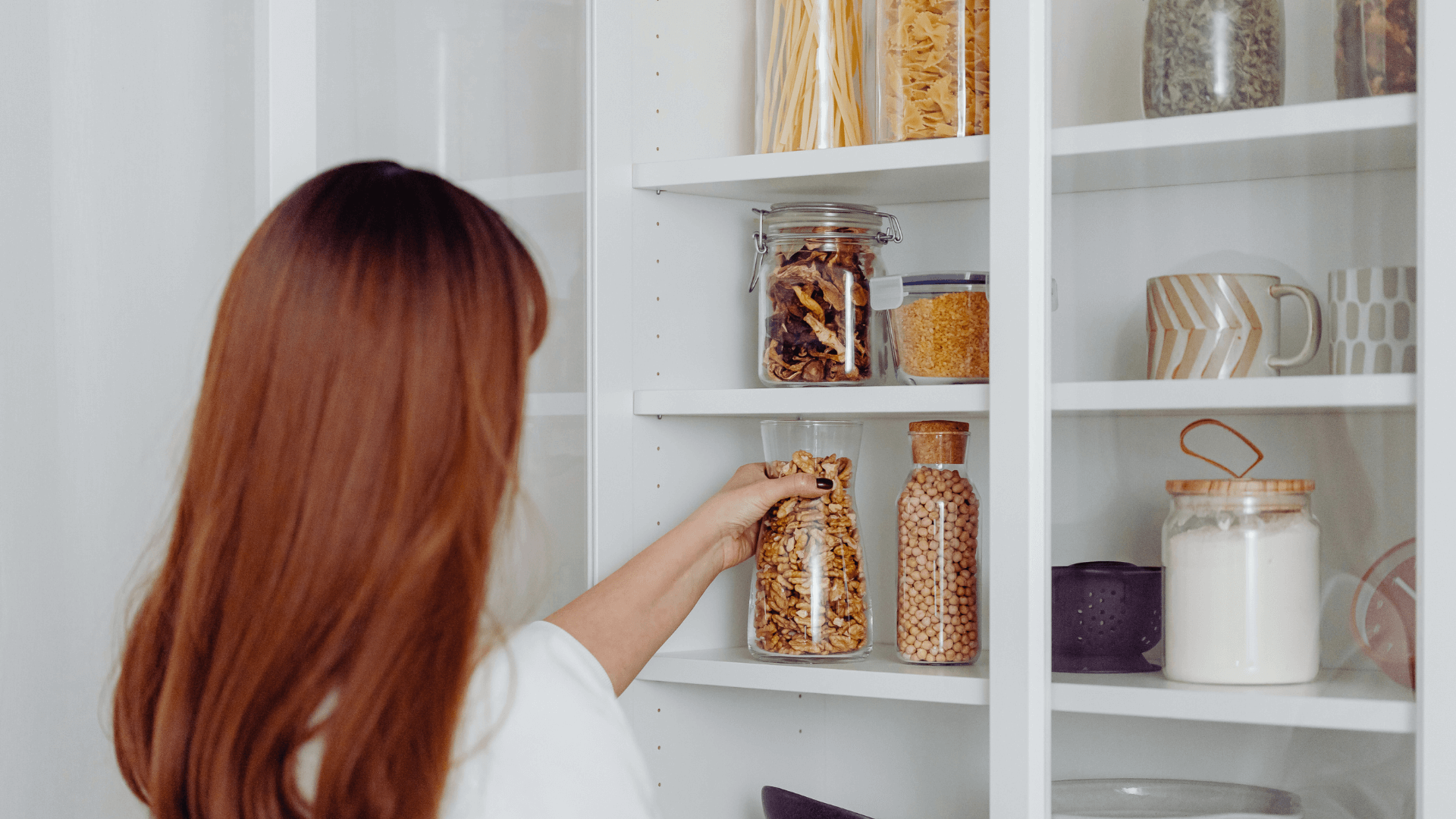
Stocking a sustainable and versatile pantry starts with choosing ingredients that last long, have multiple uses, and minimize environmental impact. Staples like dried beans, whole grains, nuts, and canned tomatoes provide a foundation that supports a wide range of meals without frequent trips to the store. Focusing on durable, plant-based, and minimally processed items creates a pantry that is both environmentally friendly and adaptable for cooking.
They prioritize buying in bulk when possible and opt for packaging with low waste. Selecting local and seasonal products helps reduce the carbon footprint associated with transportation. By planning meals around these flexible ingredients, they reduce food waste and save time.
A well-stocked pantry balances nutrition, convenience, and sustainability, making everyday cooking effortless. It encourages creativity while supporting mindful consumption habits that benefit both the individual and the planet.
Core Sustainable Pantry Staples
A well-stocked sustainable pantry balances nutrition, longevity, and versatility. It includes staples that provide essential nutrients, support plant-based diets, and store well without frequent replacement.
Essential Whole Grains and Seeds
Whole grains like brown rice, quinoa, and buckwheat offer complex carbohydrates, fiber, and minerals. These grains have long shelf lives when stored in airtight containers in cool, dry places.
Chia seeds are a valuable addition, rich in omega-3 fatty acids, fiber, and protein. They also absorb water to create a gel-like texture, useful for puddings or baking.
Choosing these grains supports varied meal options from salads to porridges. Selecting varieties grown organically or with sustainable farming practices adds to pantry eco-friendliness.
Plant-Based Protein Sources and Legumes
Dried beans and lentils are nutrient-dense, affordable, and sustainable protein sources. They store for months without refrigeration, providing fiber, iron, and plant-based protein.
Quinoa also contributes a complete amino acid profile, making it an excellent plant-based protein bonus.
Incorporating nuts like almonds enhances protein and healthy fat intake. These staples fit diverse recipes, from stews to snacks, while reducing reliance on animal proteins.
Healthy Fats and Oils
Olive oil is central for cooking and dressings, valued for its monounsaturated fats and antioxidants. It has a moderate shelf life when kept away from heat and light.
Coconut oil offers a shelf-stable option with saturated fats suited for baking and high-heat cooking. It resists spoilage longer than many other oils.
Storing oils properly extends their usability. Using sustainable, minimally processed oils supports both pantry health and environmental care.
Versatile Natural Sweeteners
Natural sweeteners like dates serve as nutrient-rich sugar alternatives. Dates provide fiber, potassium, and antioxidants, useful in baking or snacks.
They can replace refined sugars in recipes, offering a less processed option with added benefits.
Including dates diversifies pantry sweetness while emphasizing whole-food ingredients over refined sugars. This choice aligns with sustainable pantry principles.
Sourcing for Sustainability and Impact
Choosing ingredients and products with care can reduce waste and environmental harm. Prioritizing local sources and mindful packaging supports both sustainability and long-term pantry versatility.
Supporting Local Farmers’ Markets
Local farmers’ markets offer freshly harvested produce with minimal transportation. This reduces carbon emissions connected to long-distance shipping.
Purchasing from small-scale producers also encourages seasonal eating, which lowers reliance on energy-intensive storage methods. It supports local economies and strengthens community ties.
To maximize impact, focus on fruits and vegetables grown without synthetic pesticides or fertilizers. Seasonality and proximity lead to fresher, more nutrient-dense food choices that maintain pantry sustainability.
Choosing Responsible Packaging
Packaging contributes significantly to environmental waste. Choosing products with minimal, recyclable, or biodegradable packaging reduces landfill burden.
Look for items in glass jars, metal tins, or paper-based wraps rather than single-use plastics. Buying in bulk or using refill stations cuts down on packaging altogether.
Labels that indicate compostability, recyclability, or the use of recycled materials offer transparency and guide better consumer decisions. Responsible packaging also often corresponds with brands committed to overall sustainability.
Reducing Carbon Footprint
To shrink the pantry’s carbon footprint, prioritize ingredients with lower environmental impact, like legumes, grains, and root vegetables. These require less energy to grow and transport.
Heavier reliance on plant-based staples over animal products reduces greenhouse gas emissions significantly. When meat or dairy is included, opt for local or sustainably raised options.
Combining local purchases with efficient storage methods like airtight containers minimizes waste and preserves food longer, contributing to a smaller overall carbon footprint.
Smart Storage and Minimizing Waste
Proper food storage preserves freshness and nutrient content while reducing spoilage. Using airtight containers and organizing pantry items efficiently also helps cut down waste and maintain food quality longer.
Optimal Food Storage Methods
Foods require specific conditions to stay fresh. Dry goods like rice, beans, and flour last longer in a cool, dark place. Perishables such as vegetables and fruits should be stored in the refrigerator’s crisper drawer to control humidity.
Freezing leftovers or bulk items is effective for long-term preservation. Using labels with purchase or freezing dates prevents forgetting older items. Rotating stock by placing newer items behind older ones helps avoid spoilage.
Organizing with Airtight Containers
Airtight containers protect pantry staples from moisture, pests, and air exposure. Clear containers allow easy identification of contents and quantity, reducing the chance of buying duplicates.
Glass or BPA-free plastic containers are preferred. They maintain food quality without transferring odors or chemicals. Containers should be sized to match typical purchase amounts, minimizing leftover air space that can cause faster degradation.
Strategies to Reduce Food Waste
Planning meals around pantry stock limits surplus food. Parents can use shopping lists based on existing supplies and quantities. Tracking expiration dates and consuming items in order to reduce the chance of spoilage.
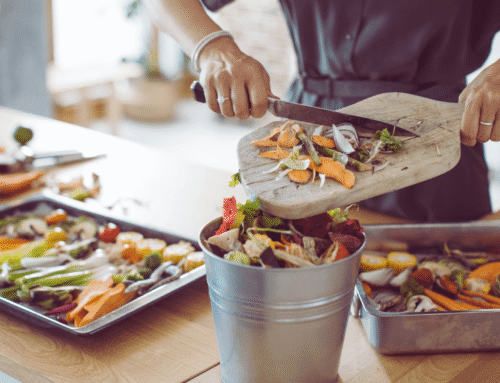
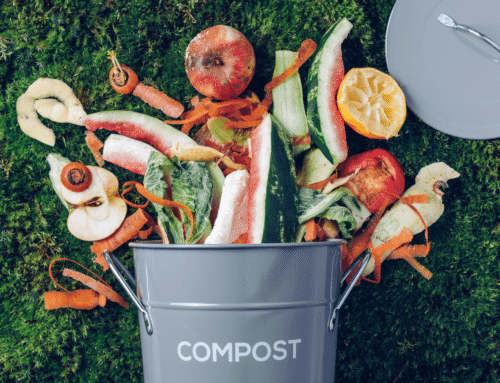
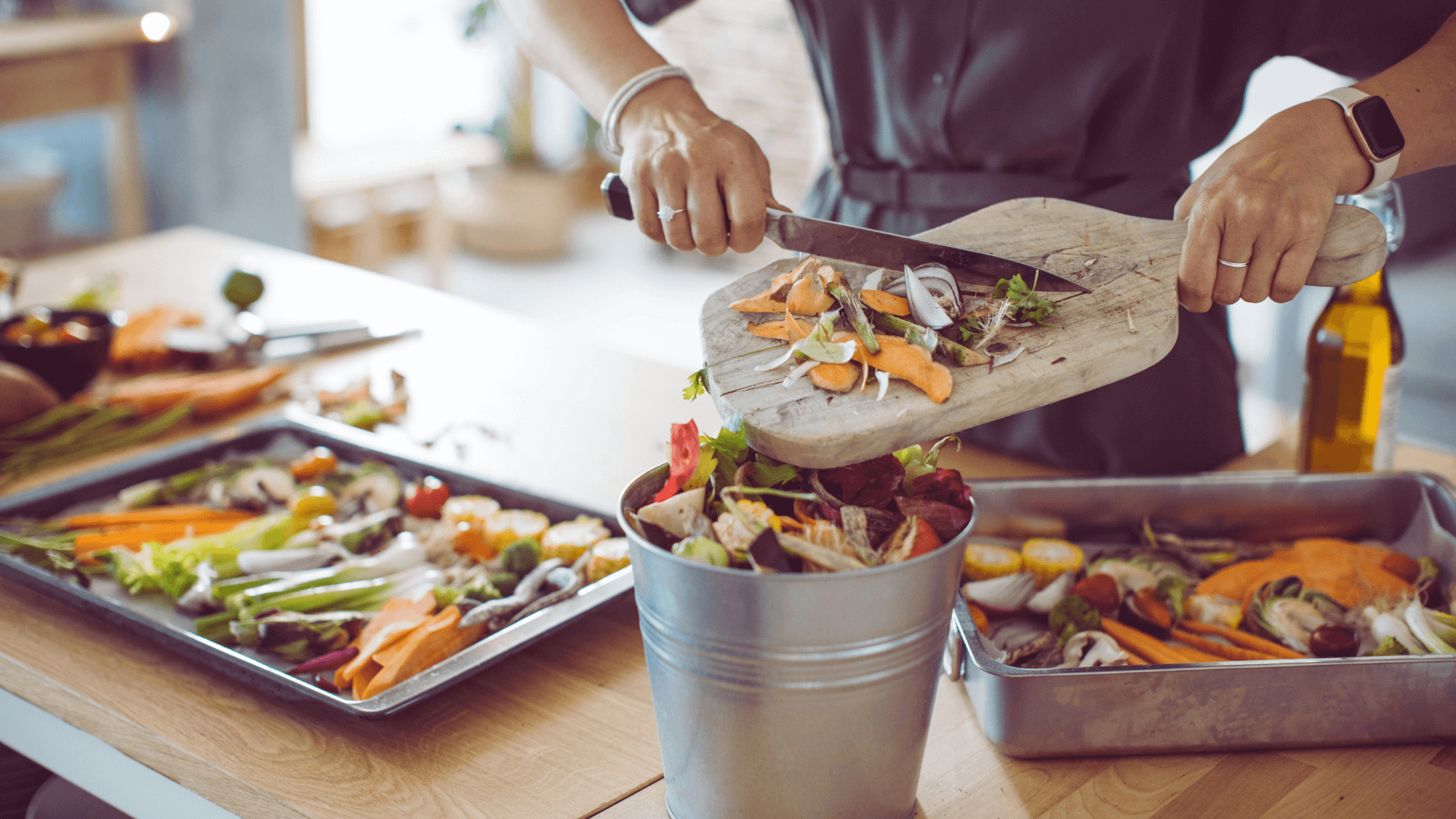
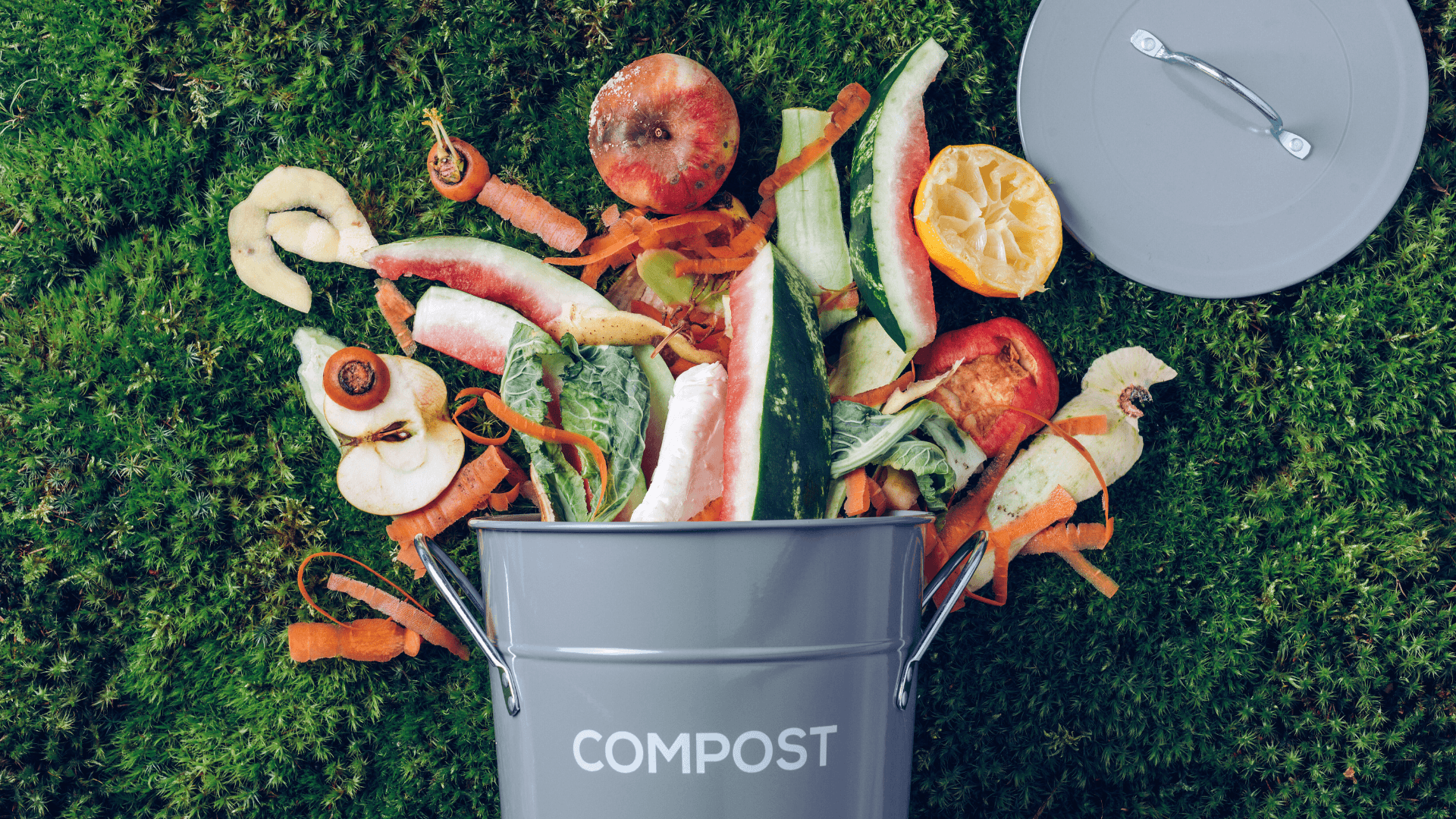
Leftover food should be repurposed into soups, stir-fries, or casseroles. Small quantities of wilting produce can be frozen for smoothies or sauces. Composting unavoidable scraps decreases household waste.
Maximizing Pantry Versatility and Flavor
A well-stocked pantry includes ingredients that boost flavor and adaptability. Choosing items that combine easily with others saves time and enhances meals without requiring many extras.
Elevating Meals with Nut Butters and Coconut Aminos
Nut butters like almond, cashew, and peanut add healthy fats and protein. They work well in sauces, dressings, and snacks, bringing richness and creaminess. A spoonful can transform simple dishes such as stir-fries or grain bowls.
Coconut aminos serve as a low-sodium, soy-free alternative to soy sauce. They provide a mild, slightly sweet umami flavor, ideal for marinades, glazes, and dipping sauces. Together, nut butters and coconut aminos create layered, balanced tastes that enhance various cuisines without overpowering.
Everyday Cooking Staples and Quick-Prep Solutions
Staples like canned beans, whole grains, and dried herbs form the base of many meals. These ingredients store well and maintain nutrition, enabling quick assembly of dishes from soups to salads.
Quick-prep solutions, such as pre-chopped garlic or frozen vegetables, reduce cooking time. Combining these with versatile liquids like broth or vinegar allows cooks to customize flavor profiles efficiently. This approach creates flavorful dinners that use minimal fresh produce and time.


Leave A Comment